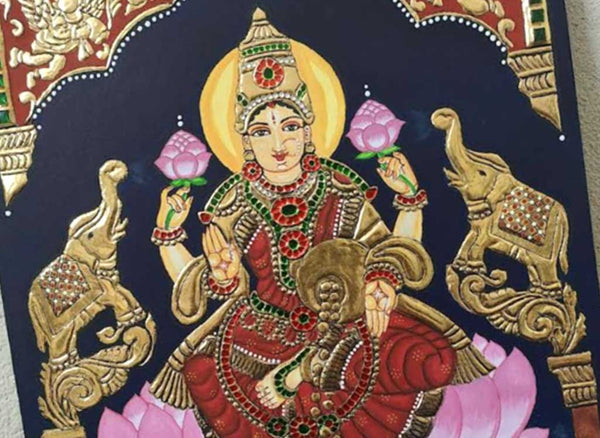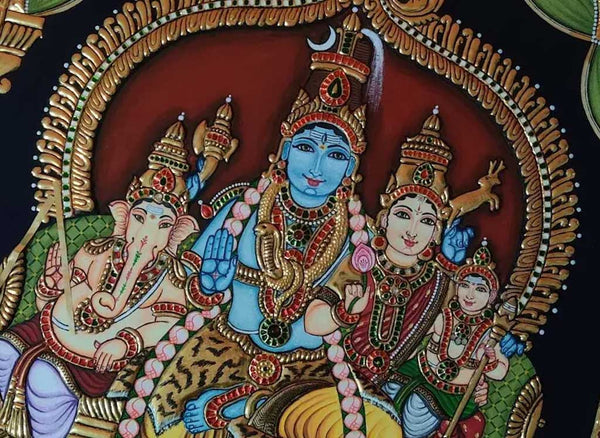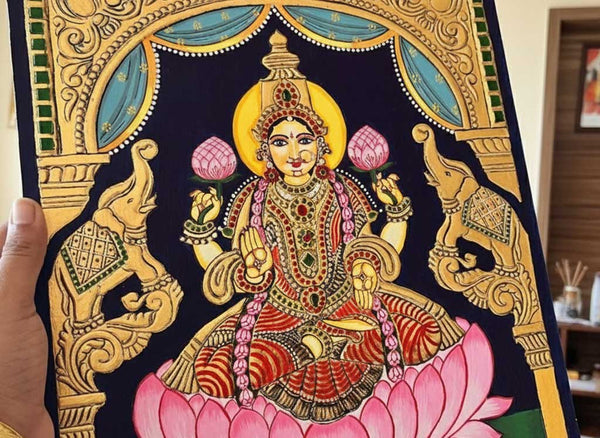
How Manasa Went From Feeling Overwhelmed to Falling in Love with Tanjore Painting

Written by
Swathi Katta
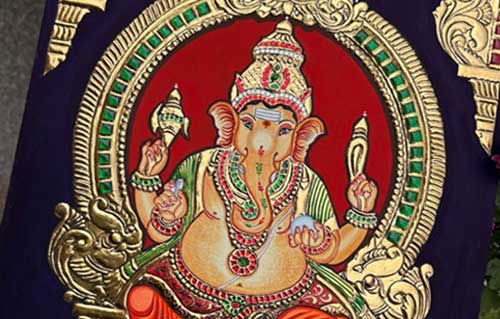
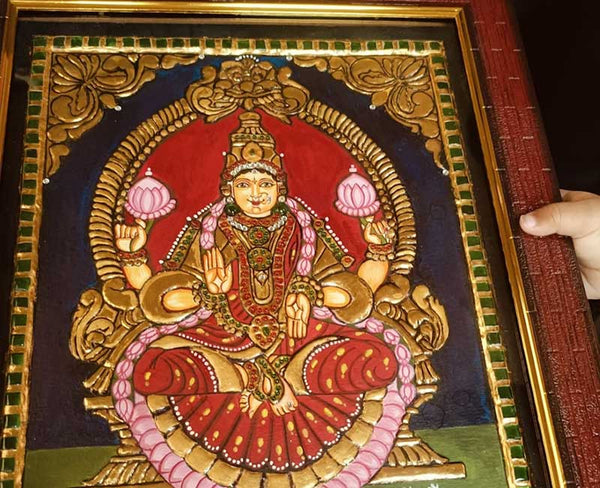
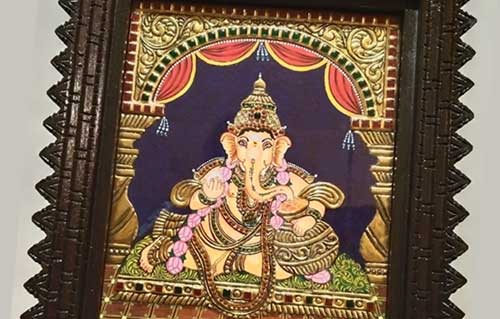
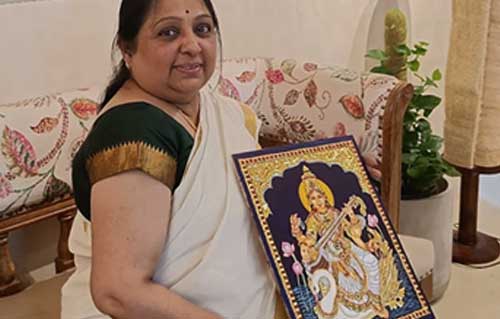
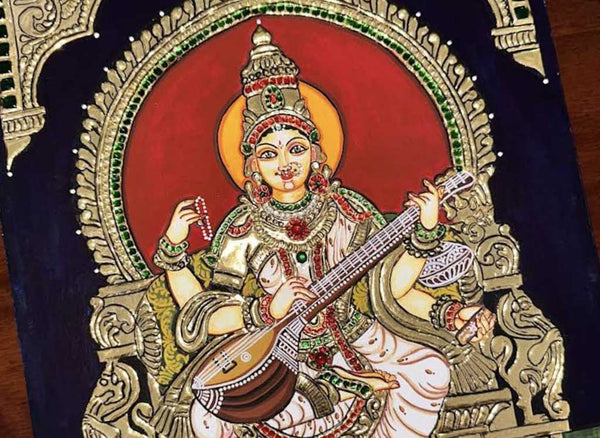
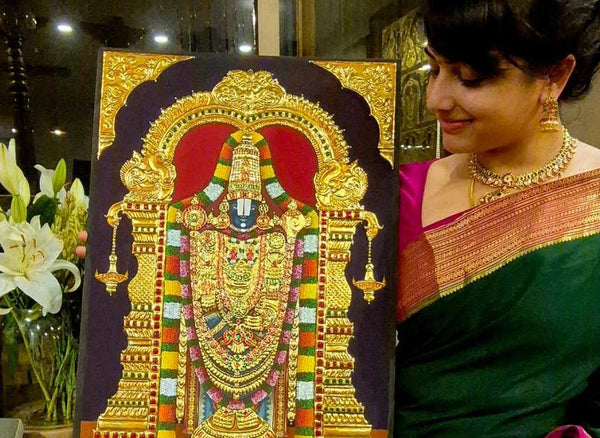
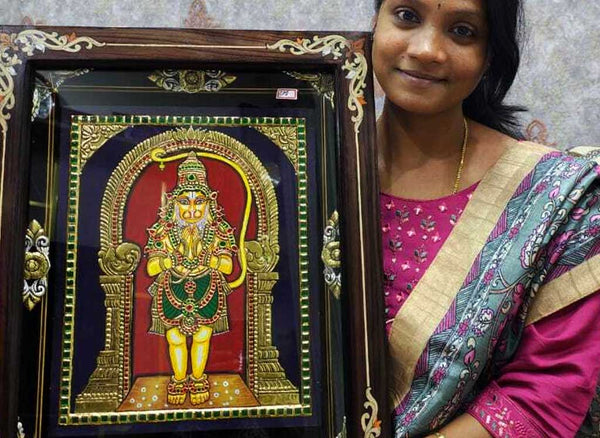
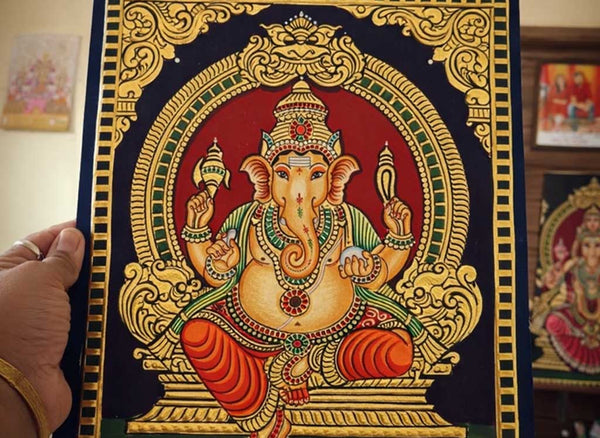
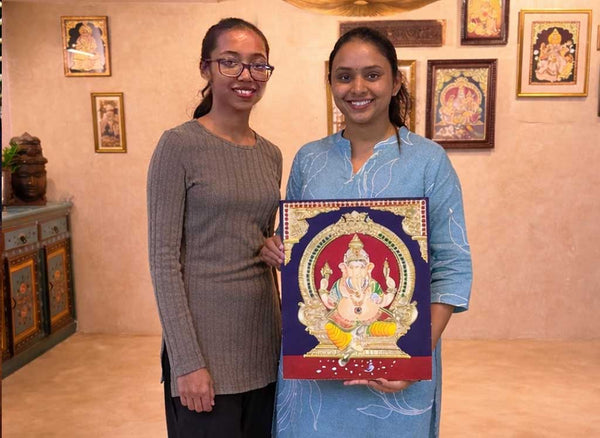
For Manasa, the connection to Tanjore painting began long before she ever picked up a brush. Growing up, she would often see old Tanjore paintings displayed in her grandparents’ home. Those paintings stayed with her over the years and sparked a curiosity about the art form and the stories behind it.
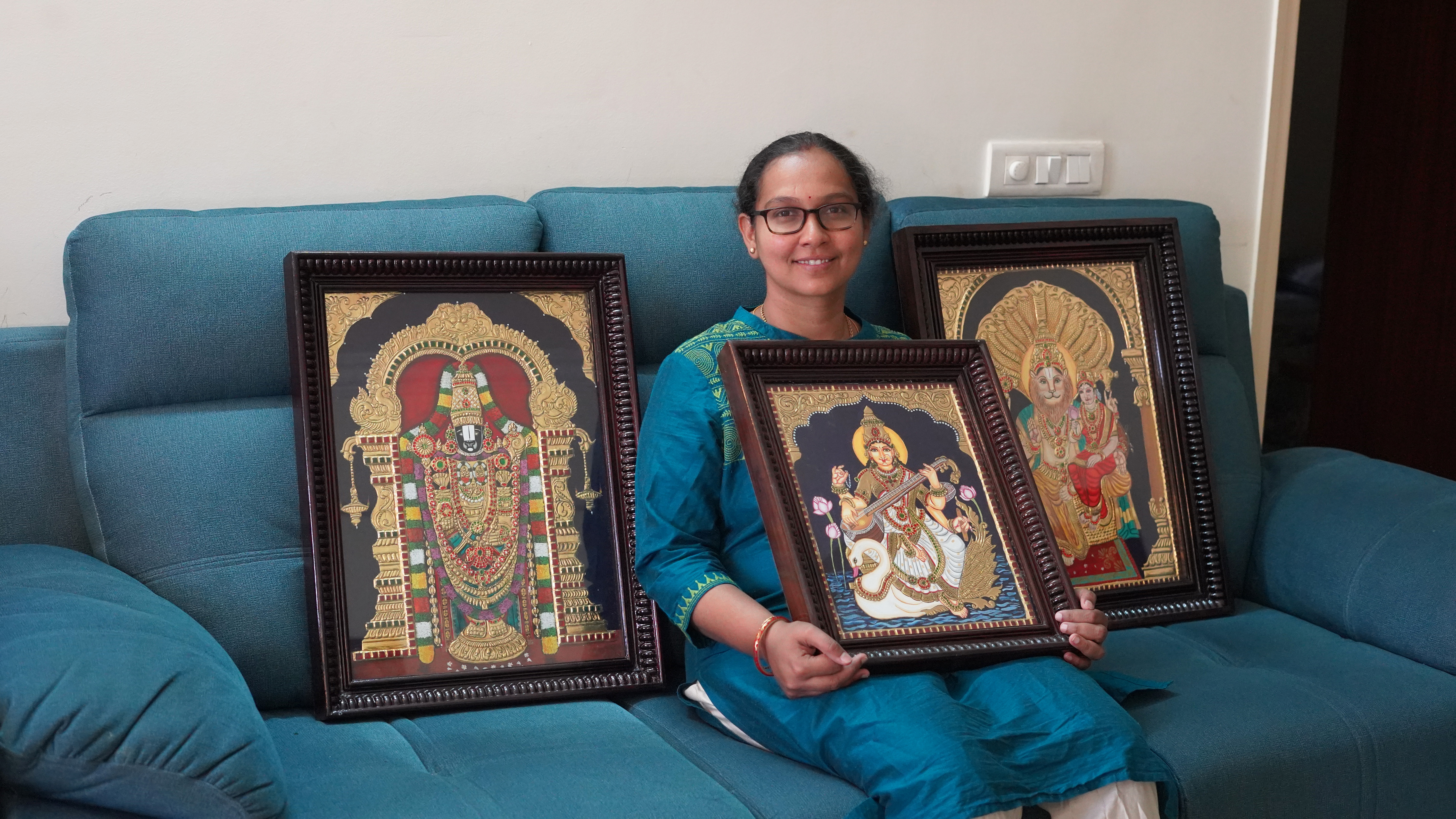
For Manasa, the connection to Tanjore painting began long before she ever picked up a brush. Growing up, she would often see old Tanjore paintings displayed in her grandparents’ home. Those paintings stayed with her over the years and sparked a curiosity about the art form and the stories behind it.
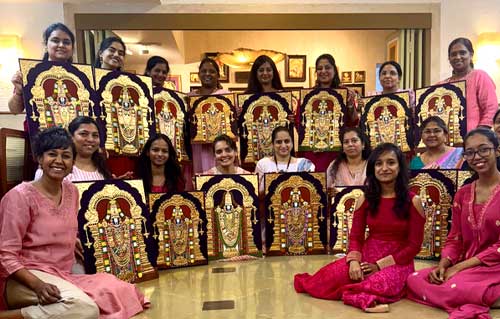
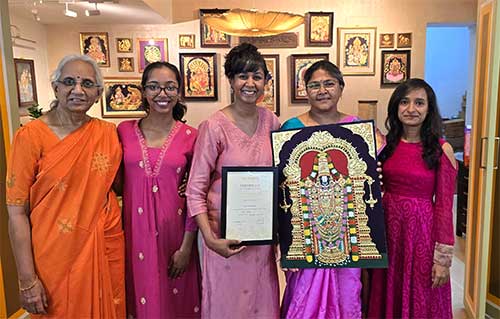
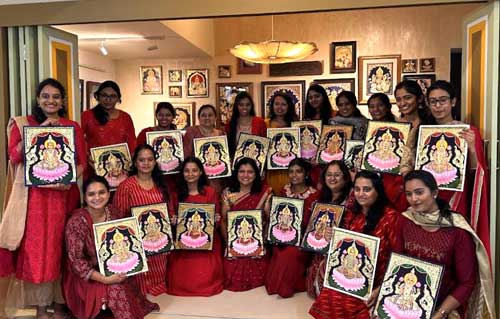
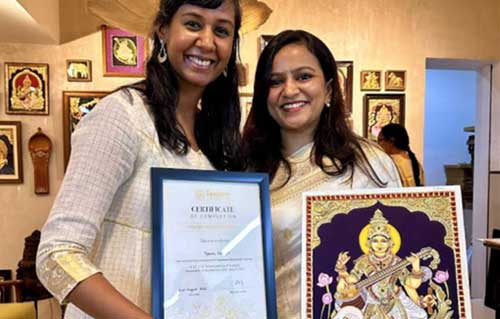
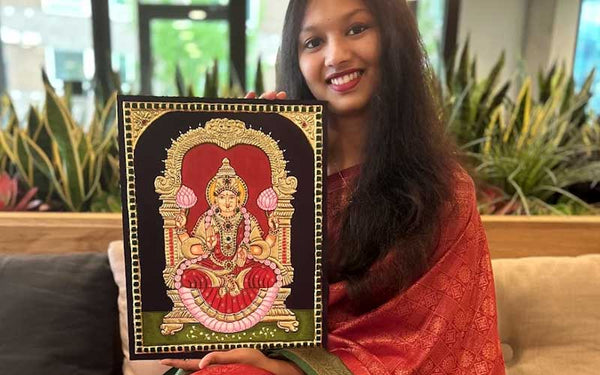
Although she works in the IT field professionally, her interest in art was always present somewhere in the background. Eventually, that curiosity led her to begin learning Tanjore painting herself through both studio classes and online learning at Tanjore Collective.
But taking the first step was not easy.
“When I entered the studio, I was blank. I didn’t even have the guts to put a brush on the board.”
That hesitation slowly transformed into confidence through patience, practice, and the willingness to keep trying.
Watch Manasa Share Her Journey
https://youtu.be/lGp0iilQ0Js?si=_QmodmrtPXDMzuXc
Starting Tanjore Painting as a Complete Beginner
Manasa joined with no prior experience in painting. The structured learning approach, along with guidance through both studio classes and online support, helped her slowly understand the process step by step.
What seemed impossible in the beginning gradually started feeling achievable.
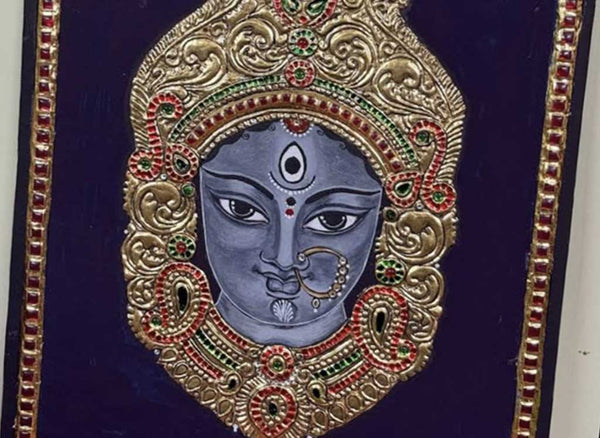
- “I never imagined I could do a face all by myself.”
For her, learning Tanjore painting was never about instantly creating perfect work. It was about allowing herself to learn patiently without fear.
https://www.instagram.com/reel/DWoZz-DkWBl/?
The Practice Behind Every Painting
One of the most honest parts of Manasa’s journey was her understanding that beautiful paintings are built through repeated practice behind the scenes.
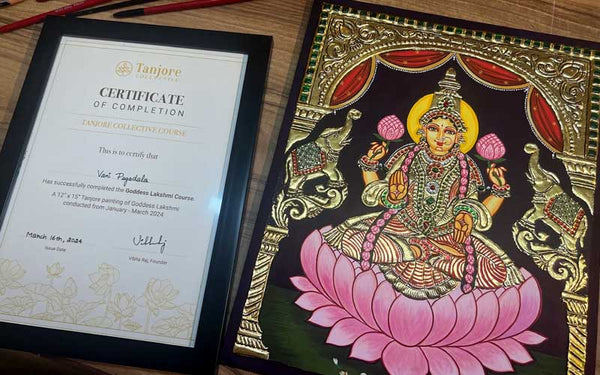
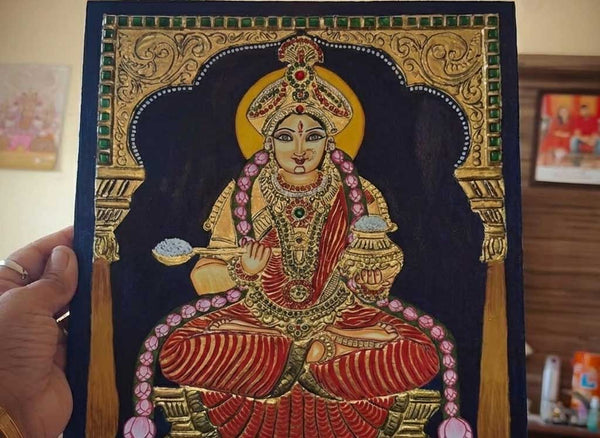
“Even for the garden, there are intricate flowers which take at least 20–30 tries on another paper before they finally appear on the board.”
She realized that the final artwork only shows a small part of the journey. The actual process involves patience, corrections, observation, and many unseen attempts.
This understanding slowly helped her let go of the fear of making mistakes.
Challenging Herself Through Every Step
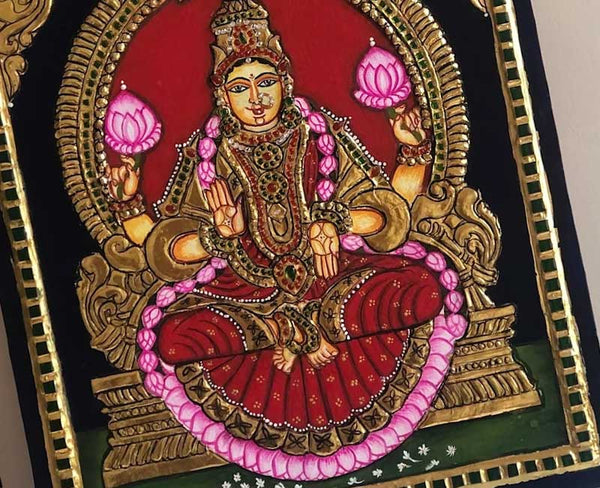
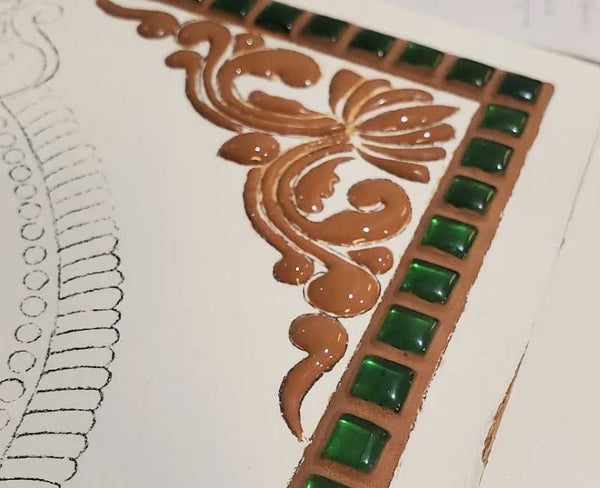
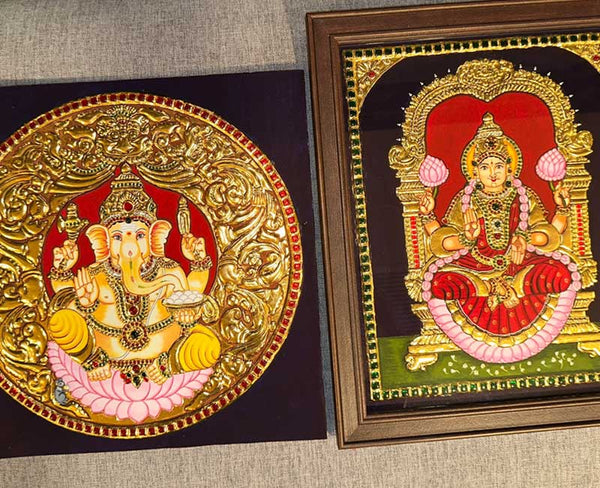
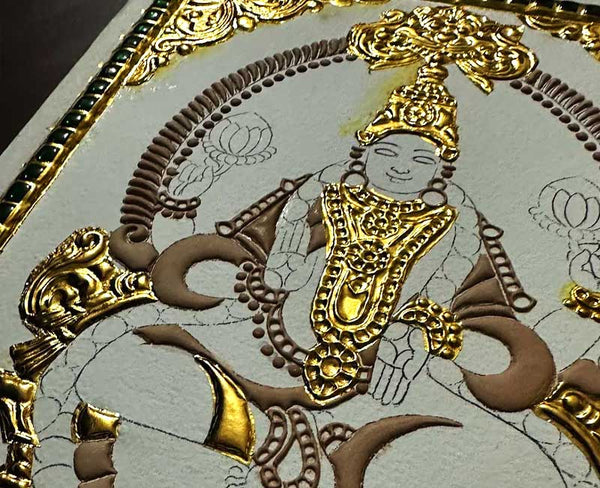
Among all the stages of Tanjore painting, embossing became Manasa’s favourite part.
“I would challenge myself every time — can I do this part faster, neater, better than before?”
With each painting, she started setting small personal goals for herself. Instead of worrying about perfection, she focused on improving little by little.
That mindset slowly changed the way she approached not just painting, but herself.
Learning to Trust the Process
One of the biggest transformations for Manasa was overcoming self-doubt.
In the beginning, she constantly worried:
“What if it doesn’t turn out good?”
But after completing more paintings, she reached a point where she trusted the process itself.
“You know the end result is always going to be good, and there are always teachers who help you improve if things go south.”
The combination of studio guidance, online learning resources, and continuous support gave her the confidence to keep going even during difficult stages.
Passing the Art Form to the Next Generation
For Manasa, learning Tanjore painting became meaningful in a much deeper way too.
She feels it is important for her daughter to watch her learn, practice, and create these paintings. Just like seeing old paintings in her grandparents’ house sparked curiosity in her, she believes future generations will value and appreciate the art form only when they grow up seeing it around them.
For her, this is how traditional art forms continue to stay alive — through exposure, curiosity, and personal connection within families.
She hopes her daughter will one day attempt these paintings too and form her own bond with the art.
Forming a Bond with the Painting
Over time, painting became much more than a hobby for Manasa.
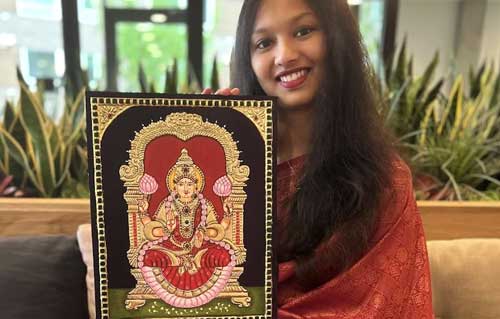
“It doesn’t matter who likes it or not. If you like your own painting, you already share a special bond with it.”
She describes painting as a deeply personal experience — something that teaches patience, persistence, and self-belief.
“You are never ready to let go of the painting because you become a part of it.”
That emotional connection is what made her journey so meaningful.
A Journey That Continues
Today, Manasa wants to continue learning and create many more Tanjore paintings in the years to come.
When she looks back at her earlier work, she can clearly see how much she has grown — not just as an artist, but also in confidence and patience.
Her journey reminds us that every artist starts somewhere. Feeling scared, overwhelmed, or doubtful in the beginning is completely natural. But with the right guidance, practice, and patience, transformation slowly happens.
“I think once you give it a try, anyone can paint.”
And for Manasa, that first small step into the studio became the beginning of a lifelong artistic journey.
More blog articles
How Constant Practice Helped Nalini Master Tanjore Painting As A Beginner
Nalini joined Tanjore Collective with no prior painting experience, driven only by her devotion to Lord Balaji and a desire to learn authentic Tanjore painting. From struggling with self-doubt during gold work to gaining confidence through constant practice, her journey reflects how guided learning and patience can help complete beginners successfully create traditional Tanjore art.
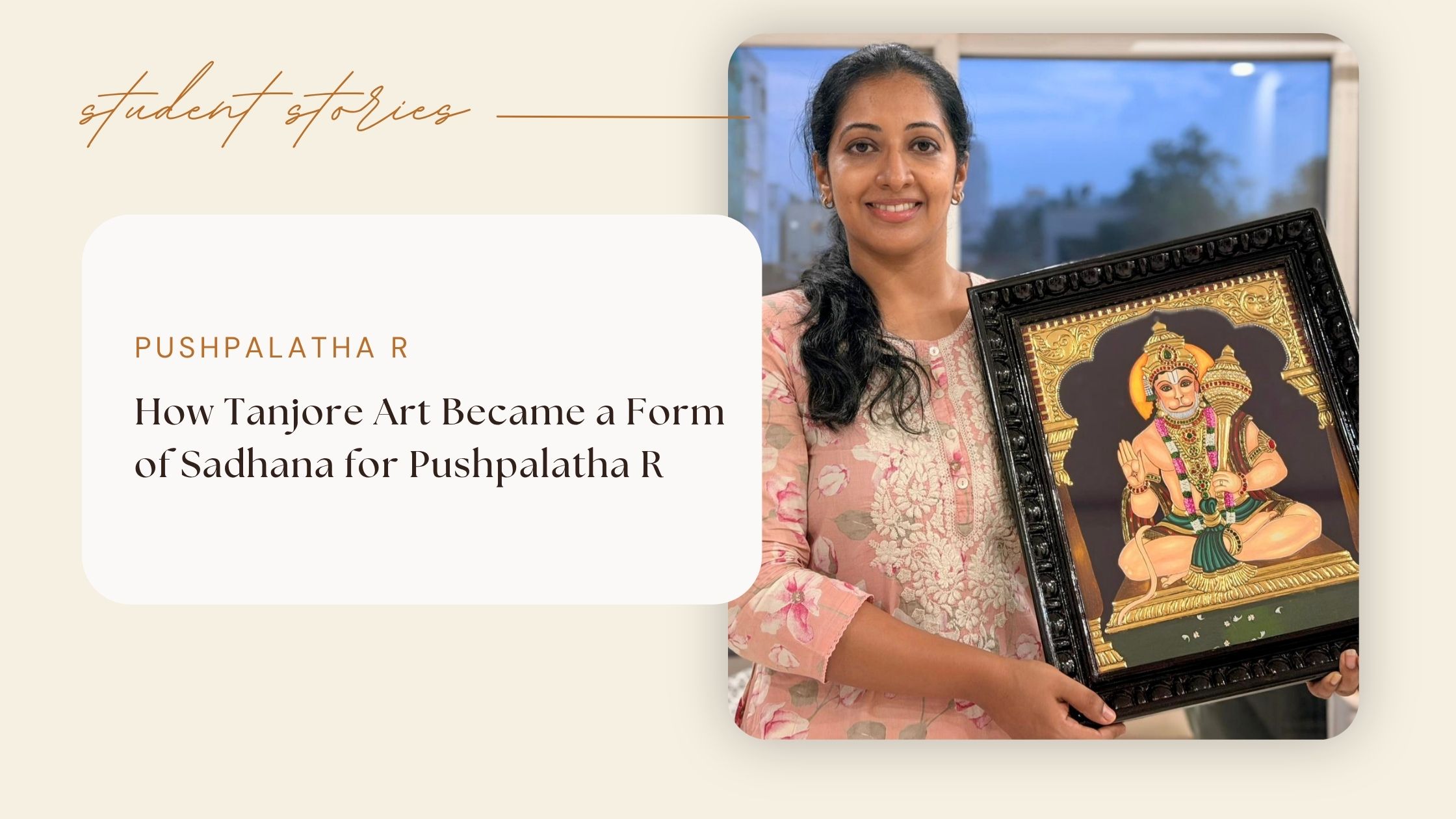
More Than Just Painting | How Tanjore Art Became a Form of Sadhana for Pushpalatha R
For Pushpalatha R, learning Tanjore painting online became much more than completing a Balaji artwork. She discovered a sense of peace, devotion, and connection, turning the entire journey into a deeply personal and meaningful experience.
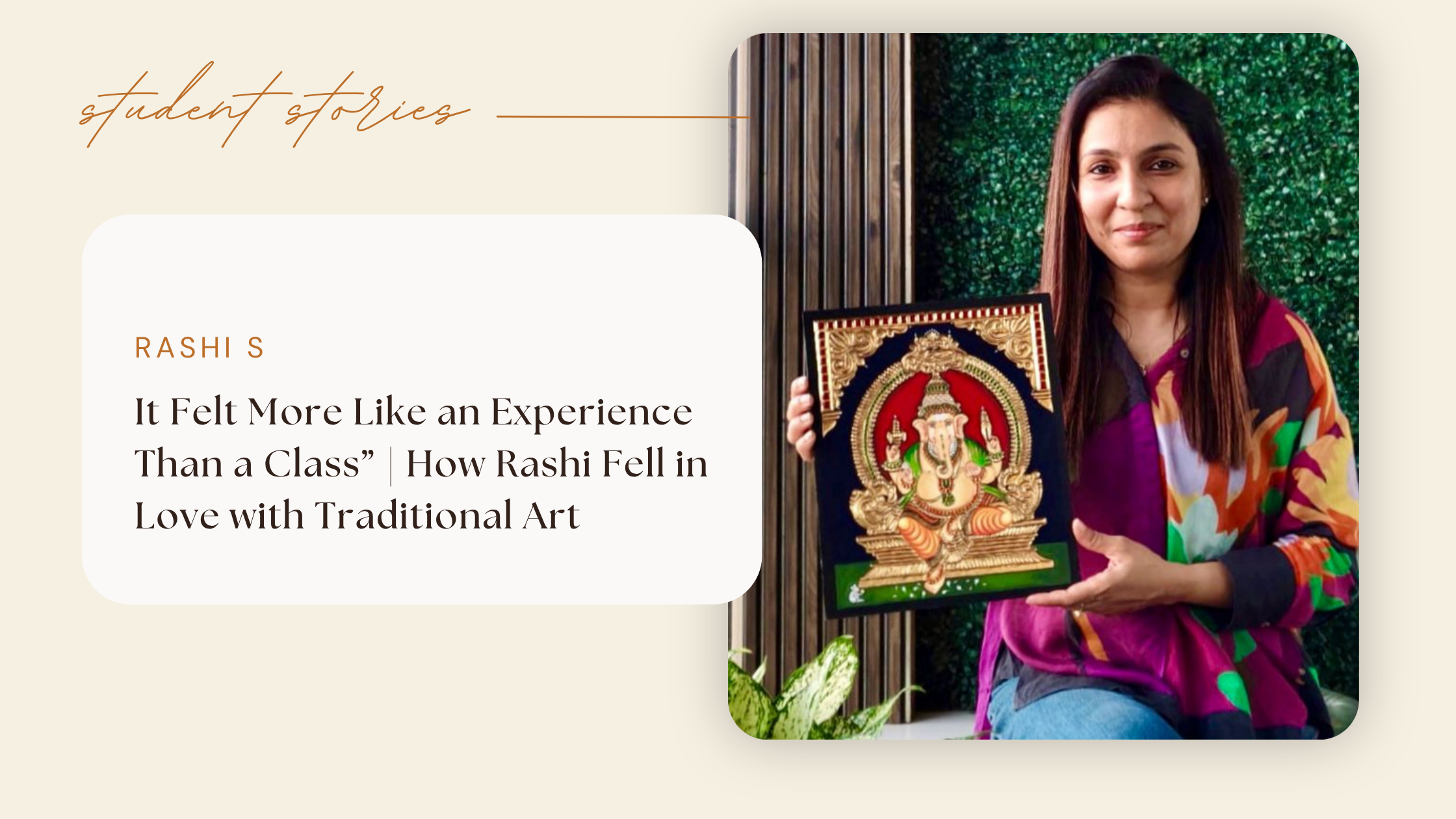
It Felt More Like an Experience Than a Class | How Rashi Fell in Love with Traditional Art
For Rashi, learning Tanjore painting online became much more than attending an art class. Through authentic techniques, supportive guidance, and a deeply creative process, she discovered a meaningful connection to tradition, devotion, and artistic expression.
What our students say
Hear from students who've learned the art of Tanjore painting with us.