Five Things to Know Before Buying a Tanjore Painting

Written by
Swathi Katta
Buying your first Tanjore painting is exciting but it can also be confusing. You'll find paintings in different sizes, different price ranges, and varying levels of craftsmanship. Some use genuine gold foil, while others use artificial alternatives. Some are completely hand-painted, while others are partially printed. So how do you know what you're actually paying for? Here are five important things to keep in mind before buying a Tanjore painting.
Buying your first Tanjore painting is exciting but it can also be confusing.
You'll find paintings in different sizes, different price ranges, and varying levels of craftsmanship. Some use genuine gold foil, while others use artificial alternatives. Some are completely hand-painted, while others are partially printed.
So how do you know what you're actually paying for?
Here are five important things to keep in mind before buying a Tanjore painting.
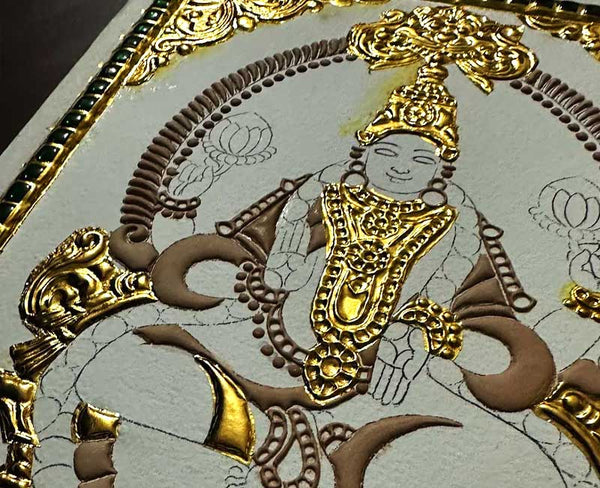
Watch the complete video below to see these five points explained in greater detail, along with close-up examples of the gold work, embossing and craftsmanship that make an authentic Tanjore painting truly special.
1. Check the Quality of the Gold
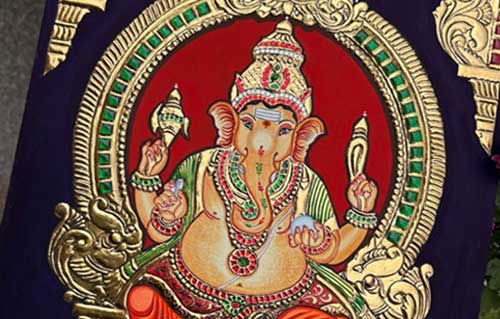
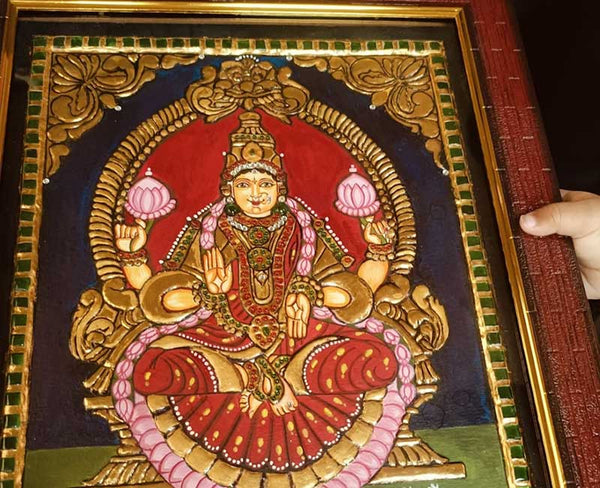
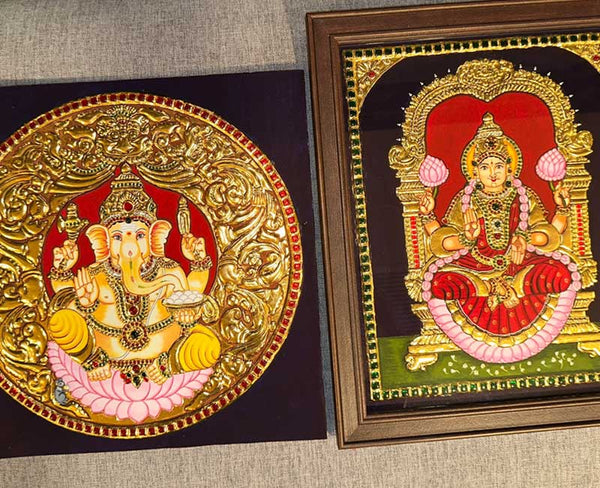
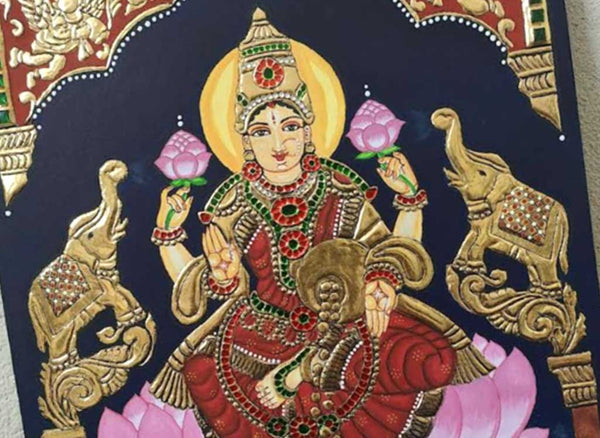
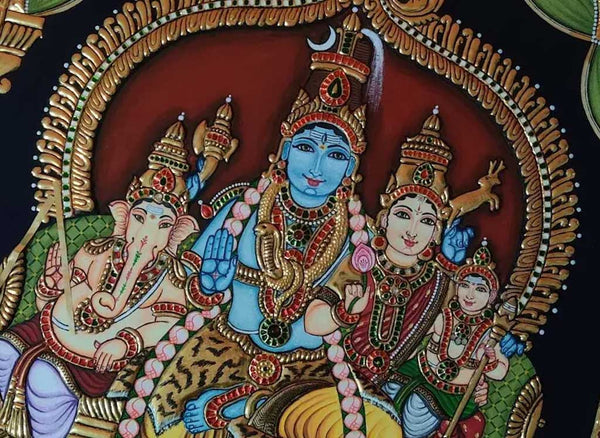
One of the defining features of a traditional Tanjore painting is its gold work.
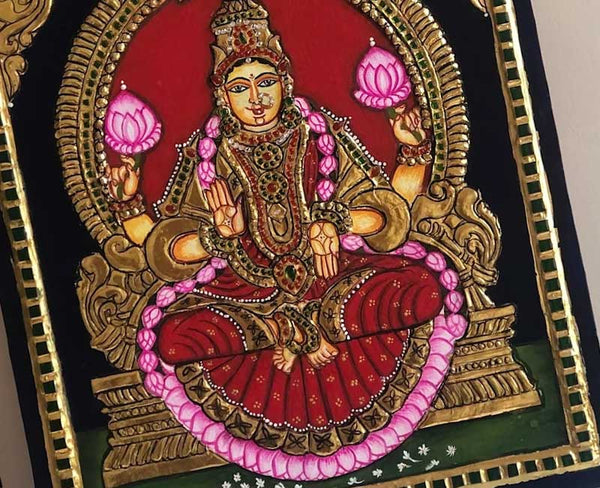
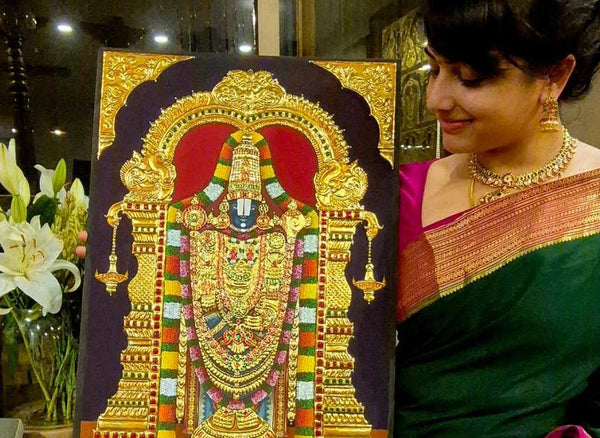
Contrary to what many people assume, the gold isn't paint. It is genuine gold foil that is applied over the embossed portions of the artwork, giving Tanjore paintings their unmistakable richness and brilliance.
Gold foil comes in different purities, commonly 16K, 22K and 24K.
The higher the purity, the longer the painting retains its original appearance. Lower-purity gold tends to blacken or tarnish over time, while high-quality gold remains beautiful for decades.
A simple visual indicator is the colour of the gold:
Gold that appears very bright yellow is often of lower purity.
Gold with a richer, warmer copper-like tone is generally of higher purity.
However, the easiest way to ensure you're getting quality materials is to buy from a trusted artist or studio. Don't hesitate to ask what purity of gold is being used in the painting.
If you're investing in a piece that you hope will stay in your family for generations, the quality of the gold matters.
2. Look Closely at the Craftsmanship
Every authentic Tanjore painting is handmade.
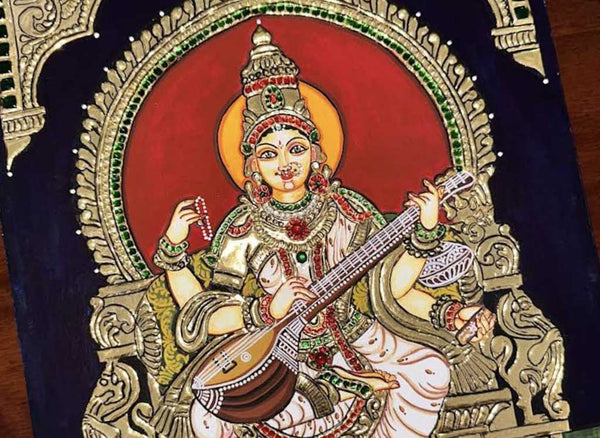
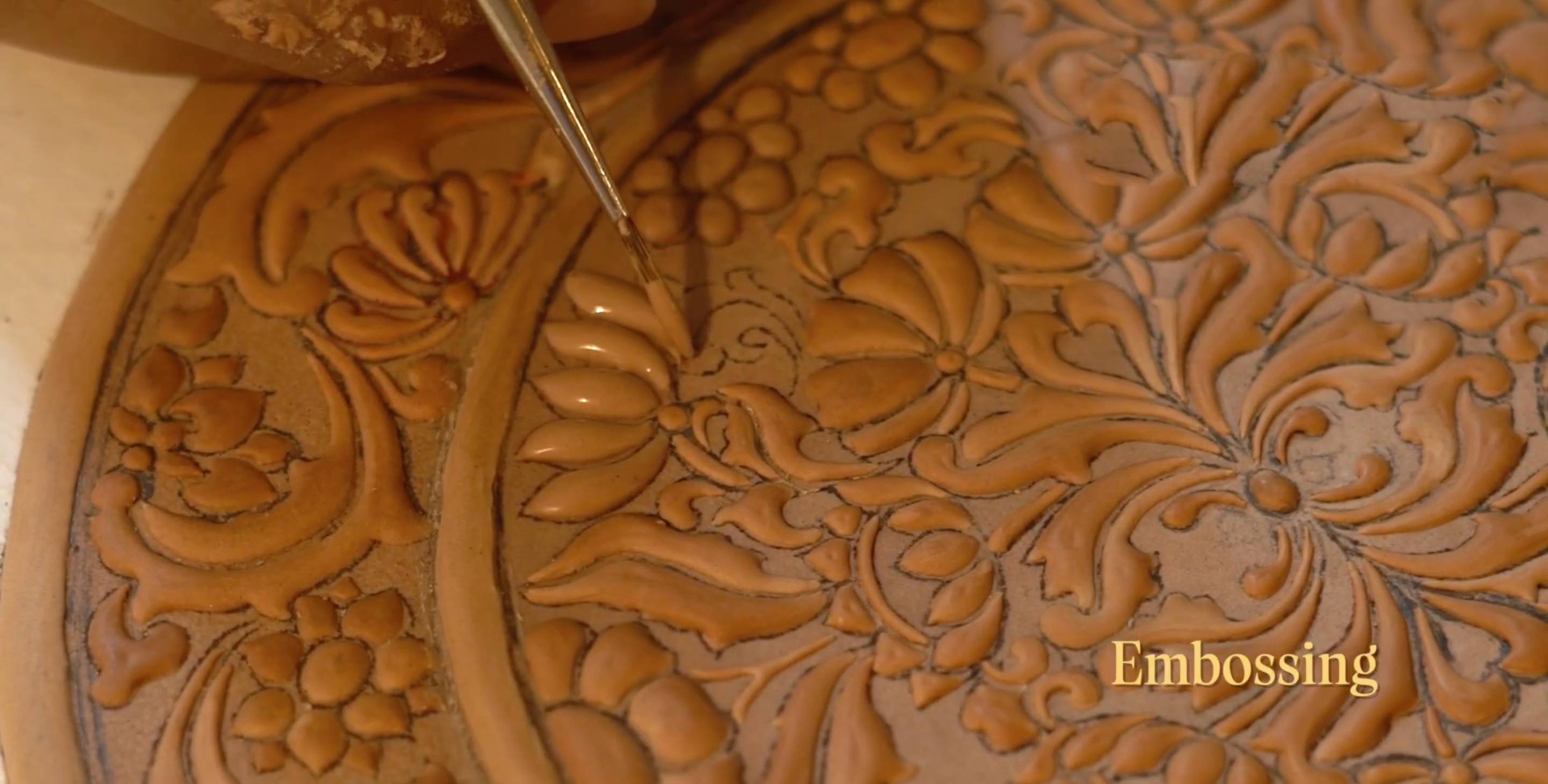
From preparing the wooden base to embossing, applying the gold and finally painting the artwork, every stage contributes to the final result.
Good craftsmanship is immediately visible when you take a closer look.
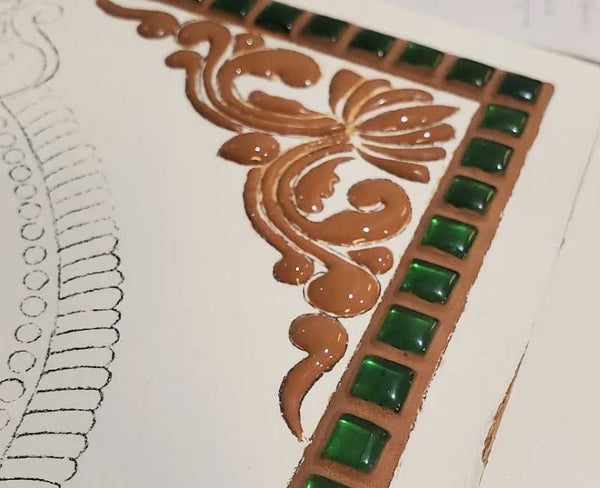
Examine the embossing
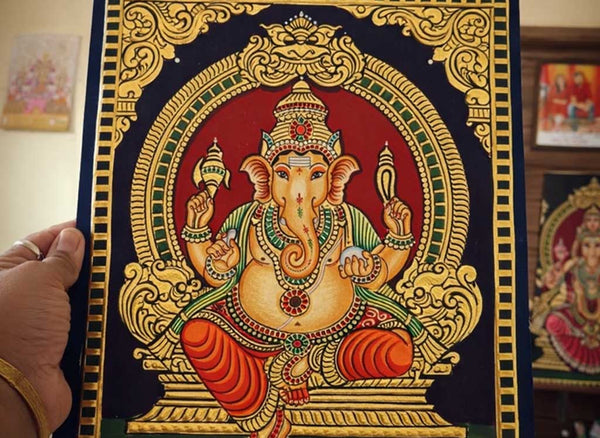
The raised work should be neat, clean and symmetrical. Fine detailing and consistent lines are signs of skilled craftsmanship.
Observe the painting
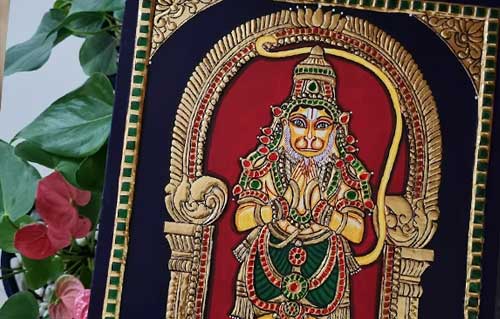
Look for smooth shading, depth, clean brushwork and attention to detail throughout the artwork.
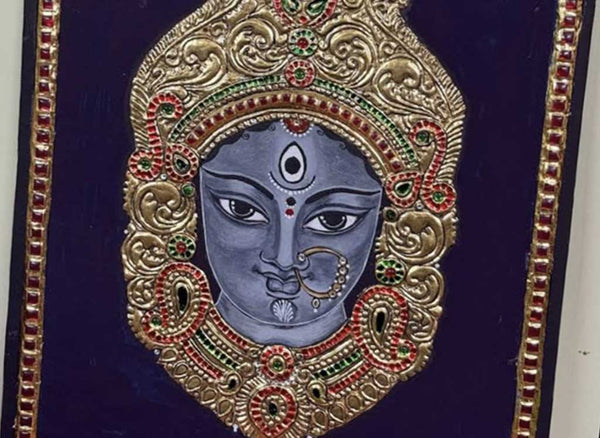
Pay special attention to the face
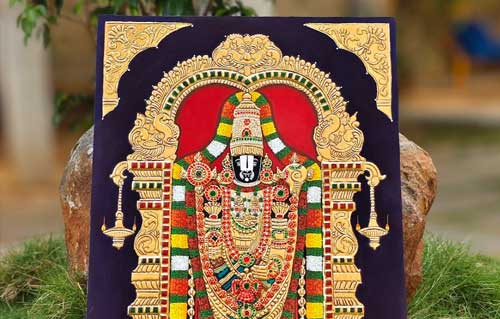
The face is often the first thing people notice in a Tanjore painting, especially when it depicts a deity.
Take a moment to really look at the expression, the eyes and the detailing. Ask yourself whether the face connects with you. Since many Tanjore paintings are placed in a puja room, this is often the part people feel most drawn to.
3. Choose the Right Painting for Your Space
Before choosing a painting, ask yourself two questions:
Why am I buying this painting?
Where will I be displaying it?
If it's for your puja room, you may choose a traditional deity that you'll pray to every day.
If it's for your living room, you might prefer something more decorative, such as Krishna in a playful pose or another artwork that complements your home's interiors.
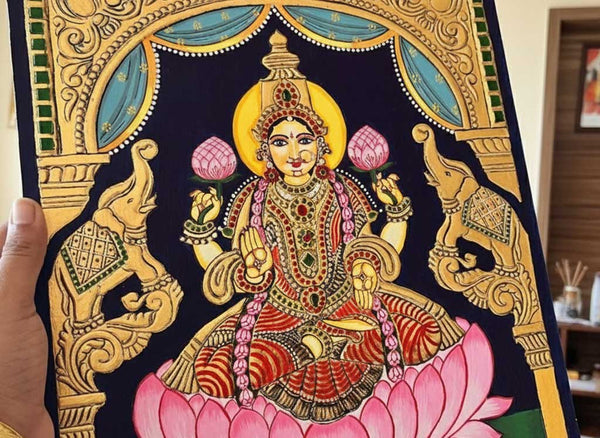
Also remember that the framed size will be larger than the painting itself.
A 12×16 inch painting becomes significantly larger once mounted and framed, so always consider the final dimensions before purchasing.
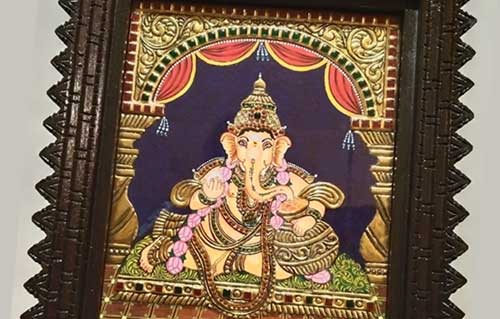
The frame also plays a huge role in the overall appearance.
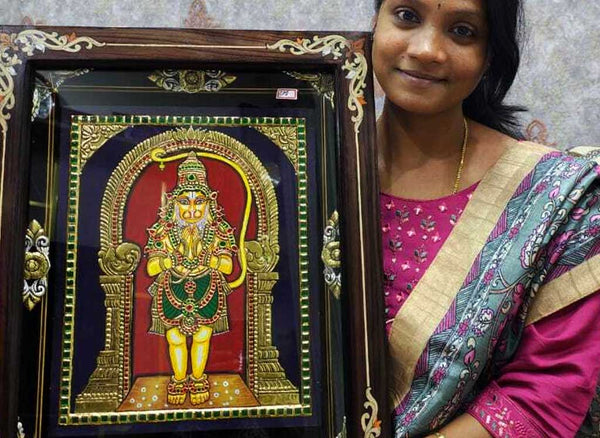
Traditional Tanjore paintings are often framed in rosewood or teakwood, while contemporary interiors may suit modern synthetic wood or fabric-finished frames. Choosing the right frame helps the artwork blend beautifully into your space.
4. Choose According to Your Budget
Tanjore paintings are available across a wide range of prices.
Naturally, larger paintings cost more than smaller ones, but size isn't the only factor that affects pricing.
The cost also depends on:
Whether the painting is completely hand-painted or partially printed.
The quality and purity of the gold foil.
The level of detailing and craftsmanship.
The materials used throughout the artwork.
If this is your first Tanjore painting, it's perfectly fine to begin with something that fits comfortably within your budget.
Understanding what influences the price helps you make an informed decision instead of simply comparing numbers.
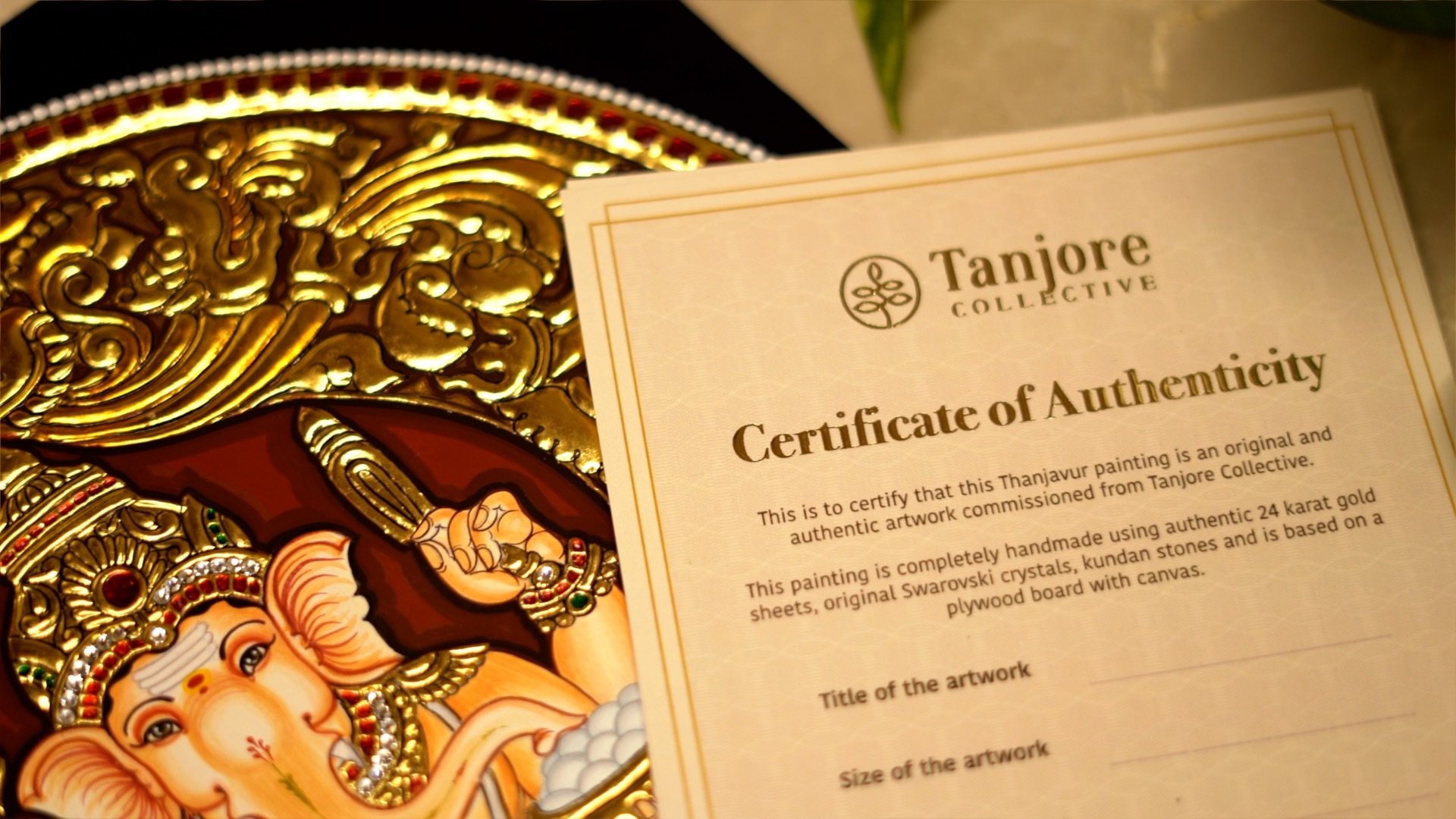
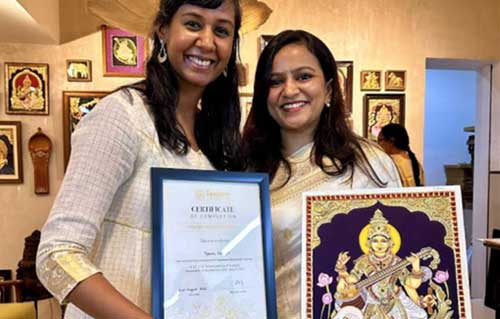
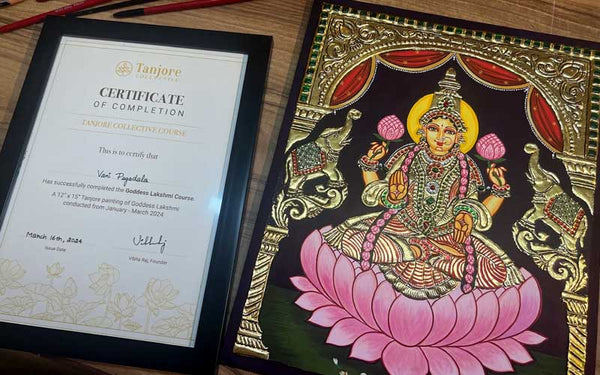
5. Ask for a Certificate of Authenticity
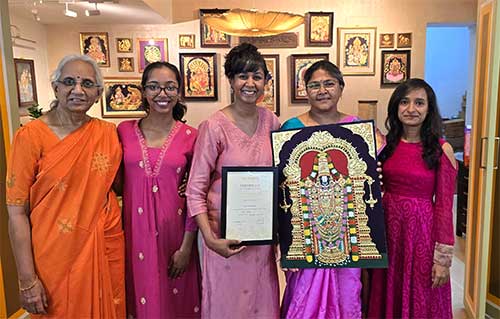
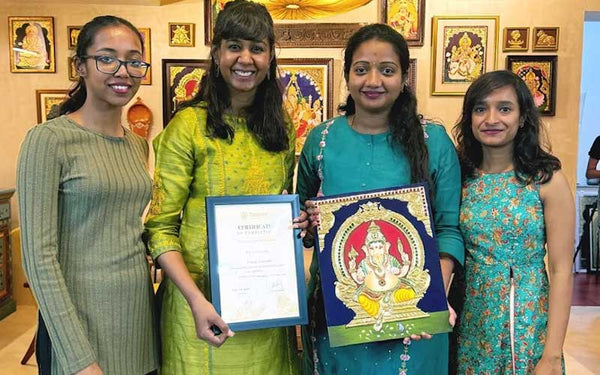
A certificate of authenticity provides confidence in what you're purchasing.
It typically mentions the materials used in the painting and confirms that the artwork has been created using traditional methods.
While it may seem like a small detail, it's valuable when you're investing in an artwork that's meant to last for generations.
It also gives you peace of mind about the quality and authenticity of your purchase.
A Tanjore Painting Is More Than Just Wall Décor
A traditional Tanjore painting isn't simply something to decorate a wall.
It's a handcrafted artwork rooted in Indian heritage, created using techniques that have been passed down through generations.
Whether it's placed in your home, gifted to a loved one or passed on as a family heirloom, a well-made Tanjore painting has the ability to stay with a family for decades.
Take your time before choosing one.
Understand the materials, appreciate the craftsmanship and buy from someone you trust. The right painting is one you'll continue to cherish for generations.
More blog articles
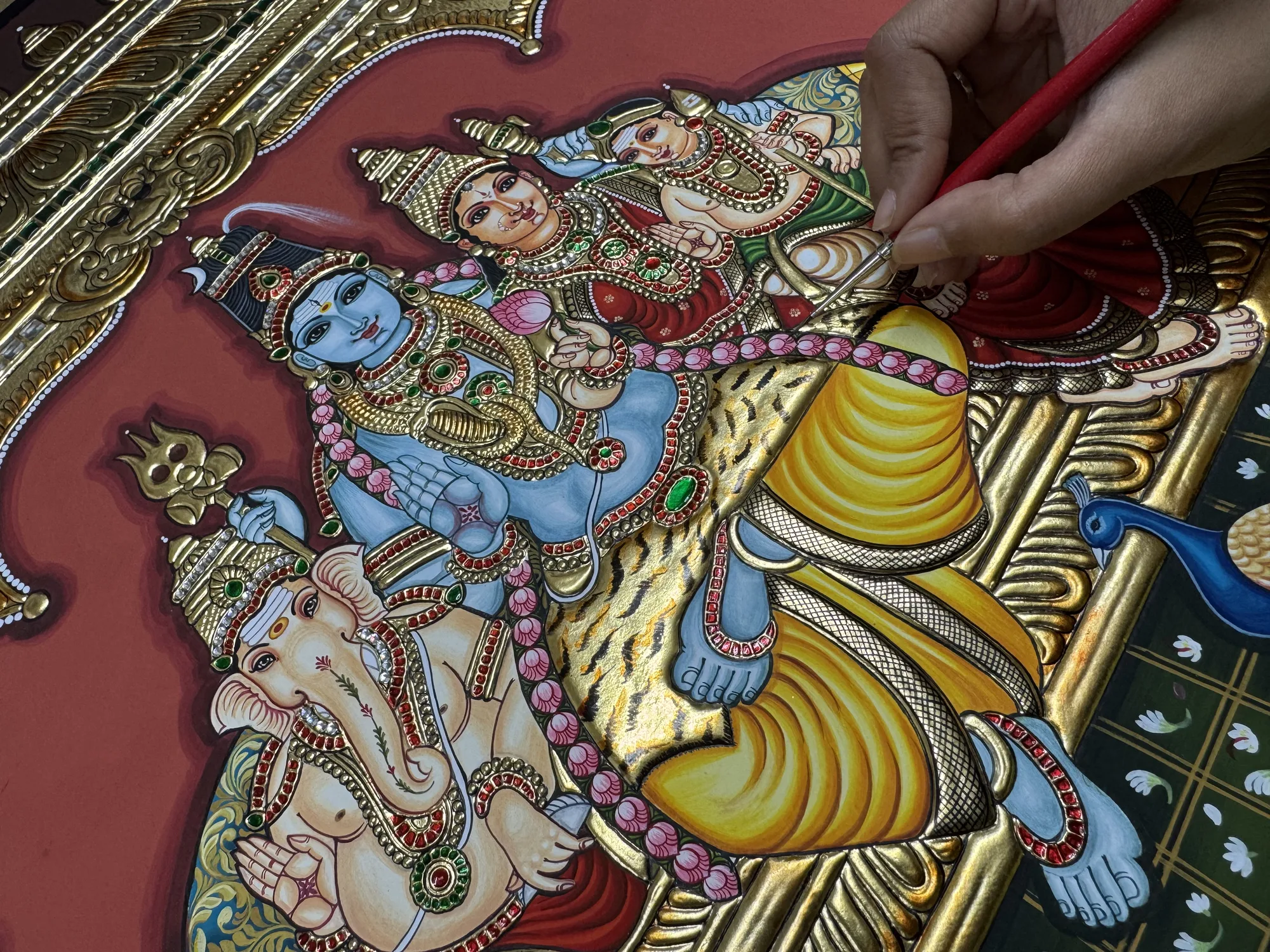
From Student to Professional: How to Become a Tanjore Artist
The real path from your first Tanjore painting to professional work, stage by stage.
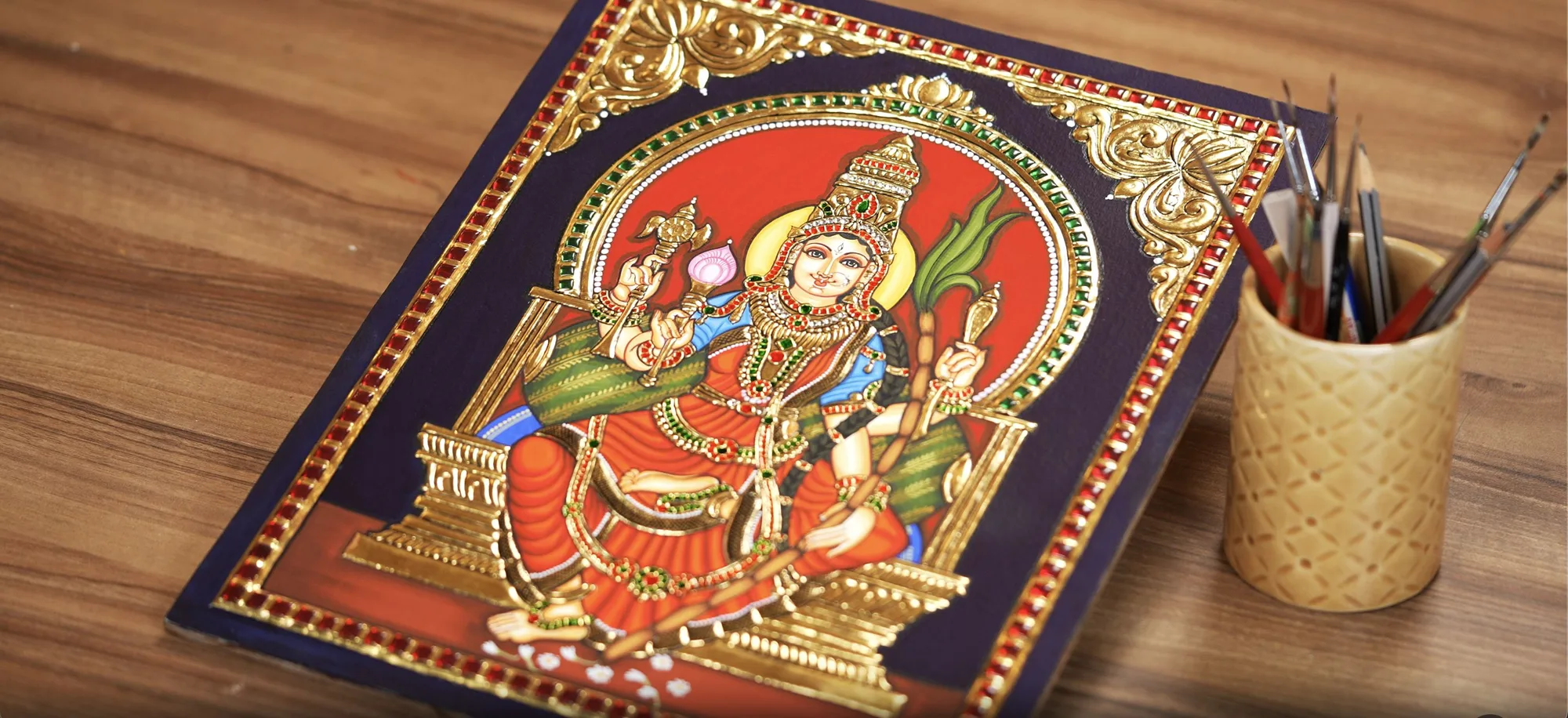
How to Start Selling Tanjore Paintings (With Your Own Designs)
Ready to sell your Tanjore paintings? Your own designs, where to start, and how to think about pricing.
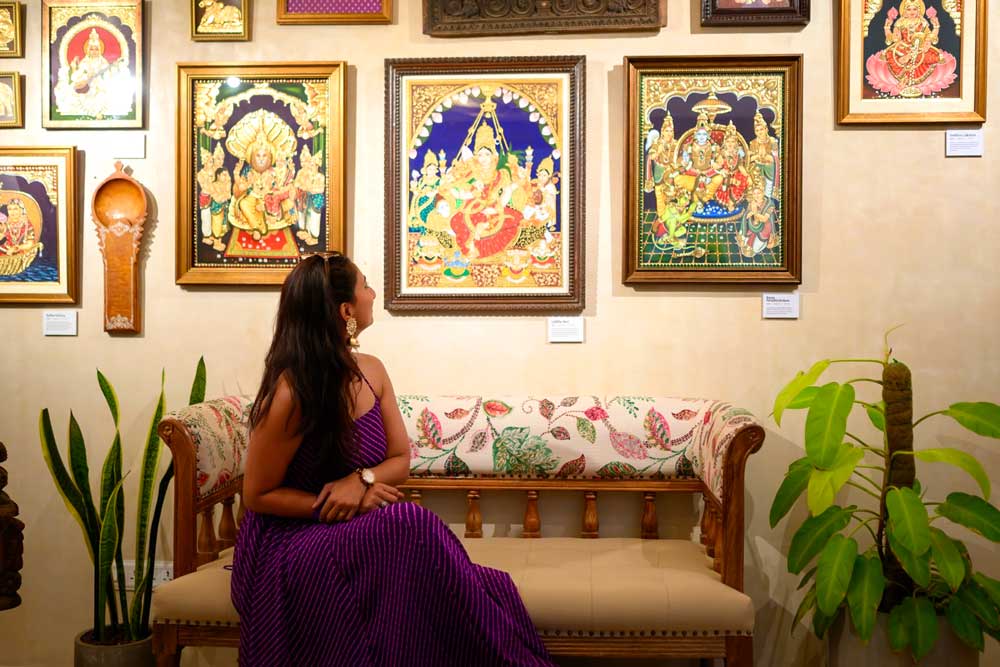
Can You Build a Career in Tanjore Painting? An Honest Guide
Can Tanjore painting become your work? The real paths, what it takes, and how our own artists started.
What our students say
Hear from students who've learned the art of Tanjore painting with us.