From a Blank Board to Balaji: Inside Jyothsna’s Tanjore Painting Journey

Written by
Swathi Katta
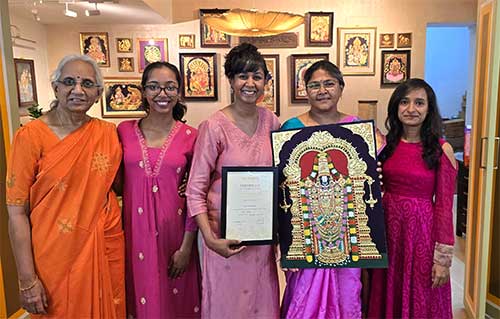
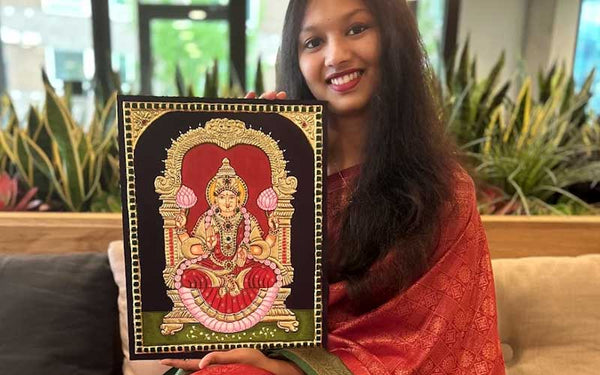
Some paintings begin with a picture. Others begin with a desire to learn. For Jyothsna, her journey into Tanjore painting began with the decision to learn the traditional art form through our Balaji Tanjore Painting Course in 2026. What started as an online course soon became an experience she describes as “enjoyable, inspiring, and incredibly fulfilling.”
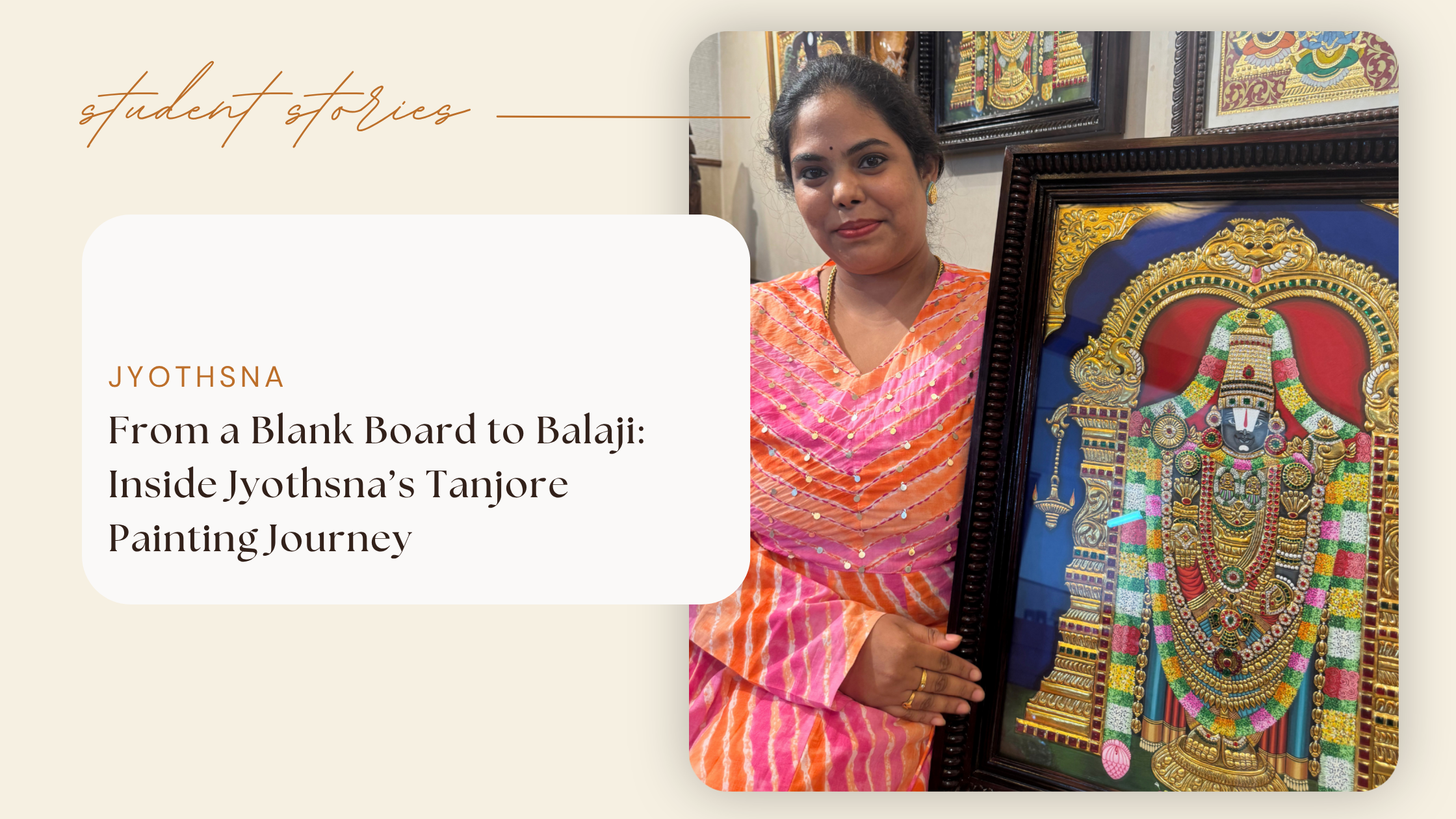
From the first sketch to the intricate gold foil work, every stage gave her something new to learn.
And, as Jyothsna discovered, the beauty of Tanjore painting lies in the details.
Starting with Balaji
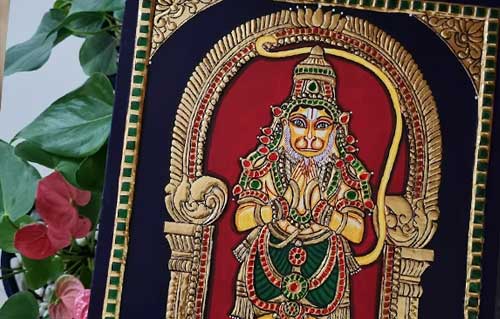
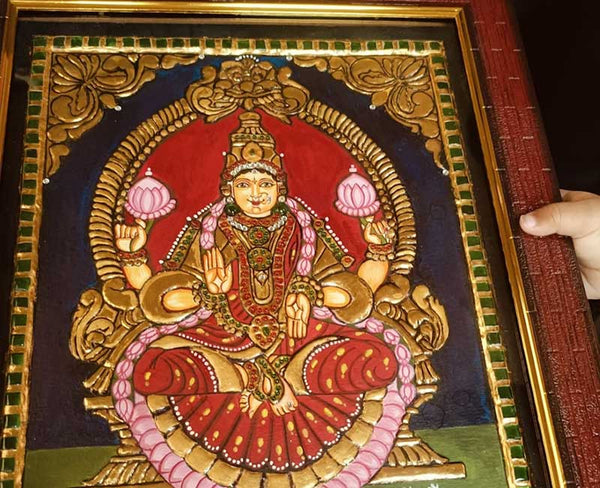
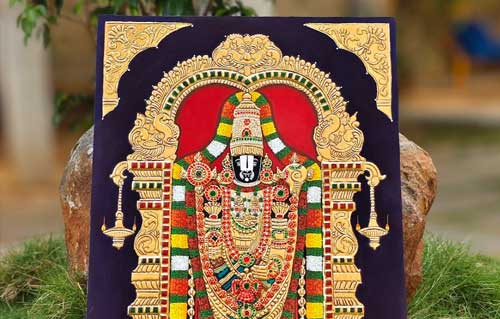
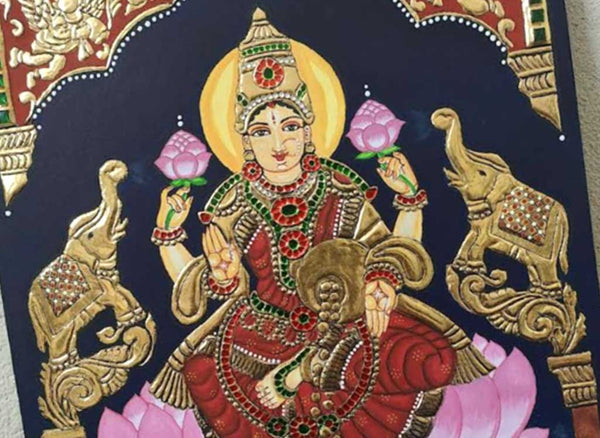
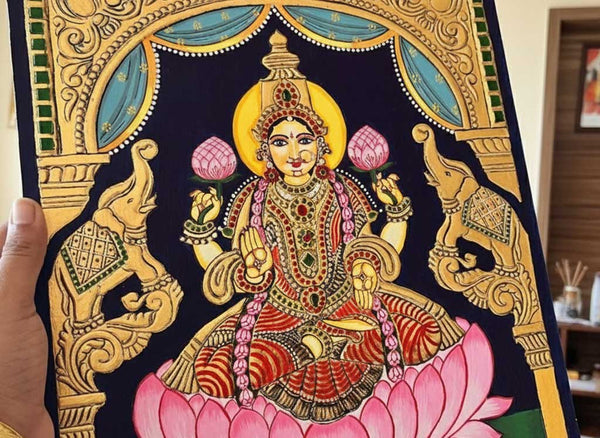
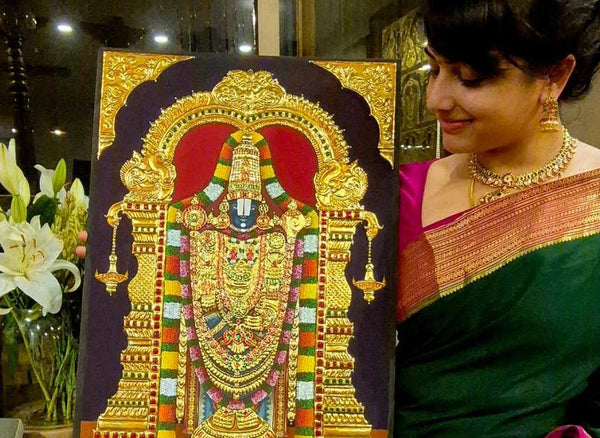
A Balaji Tanjore painting has a distinctive presence.
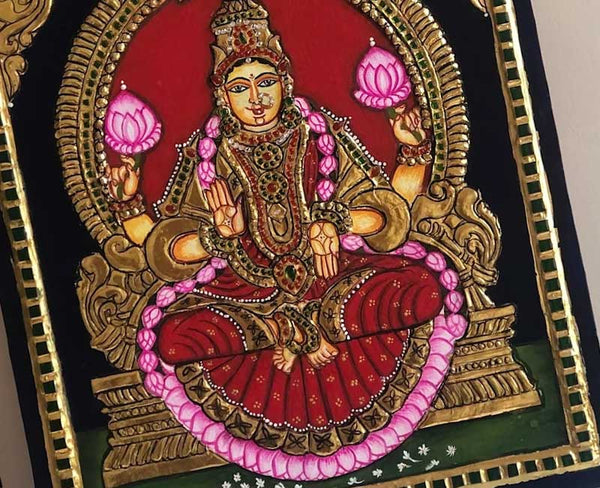
The expression of the deity, the jewellery, the ornamentation, the raised work and the glow of the gold all have to come together carefully. For a student, that can make the painting feel like a challenging undertaking at first.
Jyothsna experienced that process step by step during her course.
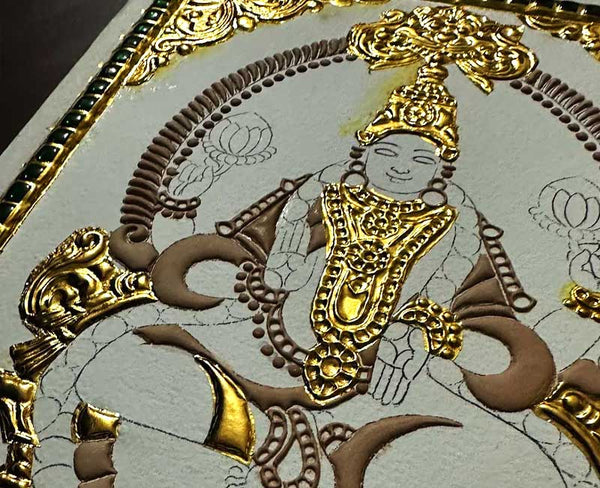
Rather than simply learning how to reproduce a finished design, she was guided through the individual techniques that gradually transformed the artwork.
As she described it:
“They explain every step in detail, from sketching and embossing to gold foil work and coloring, making the process easy to understand even for beginners.”
For Jyothsna, this detailed guidance helped turn a complex traditional art form into a process she could understand and work through with confidence.
The Details She Began to Notice
One of the most personal parts of Jyothsna’s review is what she noticed about the artwork itself.
She wasn't only impressed by the finished paintings. She paid attention to the neatness, precision and fine detailing that went into creating them.
“What I loved the most was the neatness and perfection in their work.”
As she progressed through her own Balaji painting, those details became more meaningful.
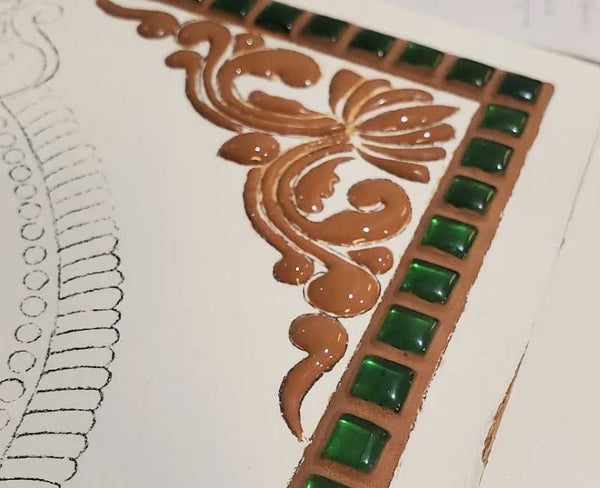
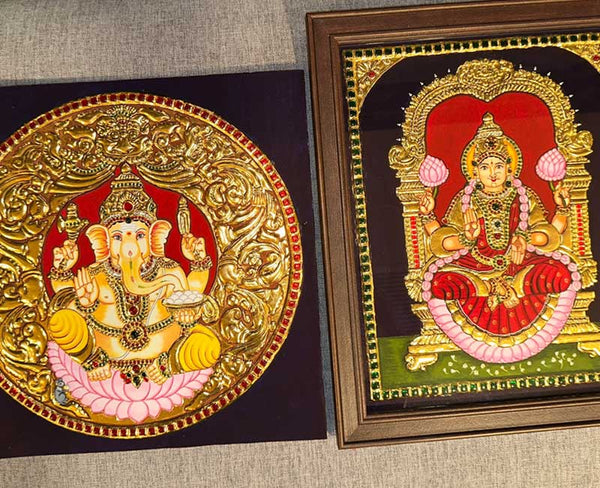
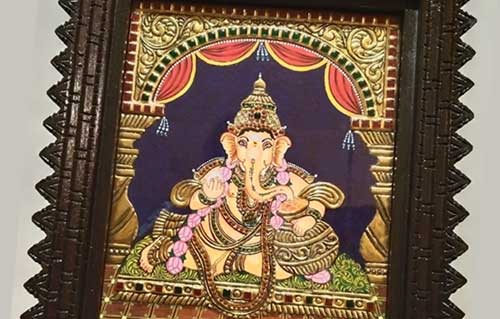
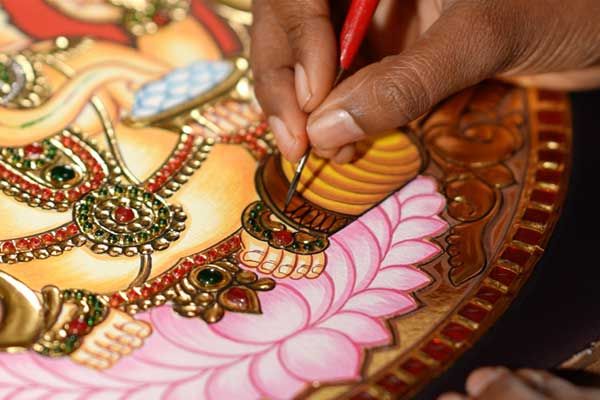
The careful embossing.
The precision of the ornamentation.
The way the gold foil enhances the painting.
The colours that bring the composition to life.
Each element contributes to the finished artwork, and learning the process firsthand gave Jyothsna a greater appreciation for the skill behind traditional Tanjore painting.
She described the work as being created with:
“such precision, fine detailing, and authentic techniques”
and said that it reflected:
“the richness of traditional Tanjore art.”
A Teacher Who Looks at Your Painting, Not Just the Lesson
Learning a detailed art form requires more than watching someone demonstrate a technique.
At some point, you have to pick up your own brush and try it.
And that is where individual guidance becomes important.
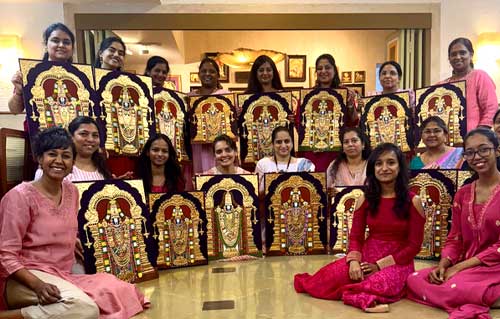
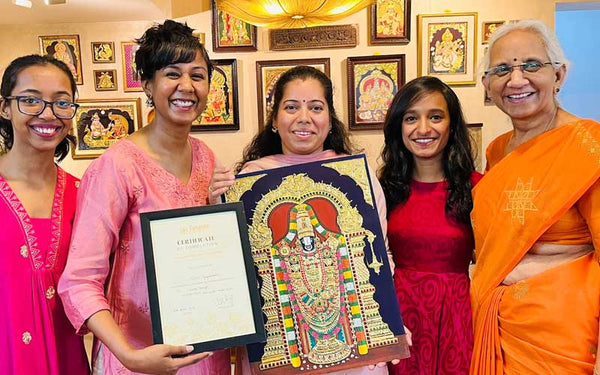
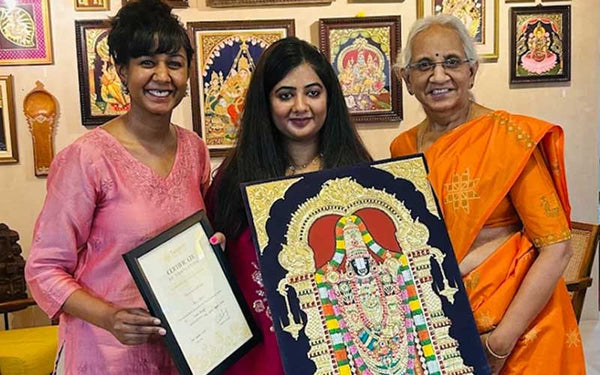
During Jyothsna’s live online course, Vibha Raj taught the classes, with Spurthy GB and Yashaswini J supporting as assistant teachers. The twice-weekly Zoom sessions gave her regular opportunities to learn, practise and receive feedback.
Jyothsna particularly valued the attention given to individual students:
“The teachers pay attention to every student's work and provide guidance and encouragement throughout, helping us improve with confidence.”
That sentence captures something important about her experience.
For her, learning wasn't just about completing the next lesson. It was about having someone look at her work, guide her when something needed improvement, and encourage her to keep going.
That kind of support can make a long, detailed painting journey feel much less overwhelming.
Finding a Rhythm in the 11-Week Journey
The Balaji course was spread across 11 weeks, with two live sessions every week.
There is something valuable about having that kind of rhythm when learning Tanjore painting.
You learn a technique, practise it, return to class, receive guidance and then move forward to the next stage.
And because every class was recorded and shared with students, Jyothsna could also revisit the lessons after class whenever she needed to go over a technique again.
Instead of trying to finish everything quickly, the course gave her time to gradually build the painting.
Little by little, the artwork began to take shape.
When an Online Class Feels Like a Real Learning Space
Jyothsna’s experience also speaks to what made the live online Tanjore painting course enjoyable for her.
She described the environment as:
“warm, friendly, and well organised”
That may sound simple, but for a course that involves spending many weeks working on one detailed painting, the atmosphere matters.
A friendly learning environment makes it easier to ask questions, show your work and learn from mistakes.
For Jyothsna, the experience went beyond simply attending online classes.
She felt she was part of a learning journey where she was supported throughout the process.
Discovering the Heritage Behind the Art
Perhaps the most meaningful part of Jyothsna’s experience was that she didn't see Tanjore painting as merely a craft to be mastered.
The course helped her appreciate the tradition behind it.
She wrote:
“It was not just about learning a painting, but also about understanding the beauty and heritage behind this art.”
That perspective adds another dimension to her Balaji painting.
Every technique she learned was connected to a traditional art form with its own visual language and history. The gold work, embossing, ornamentation and careful detailing weren't simply steps on a course checklist—they were part of what gives Tanjore painting its distinctive identity.
For Jyothsna, learning these techniques firsthand made that heritage feel more tangible.
From a Beginner to Creating Her Own Balaji Painting
One of the most rewarding moments in any art-learning journey is seeing something you once thought was difficult slowly become your own.
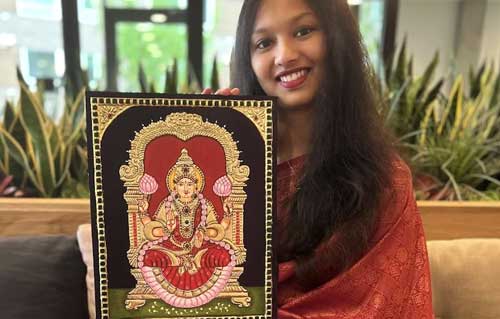
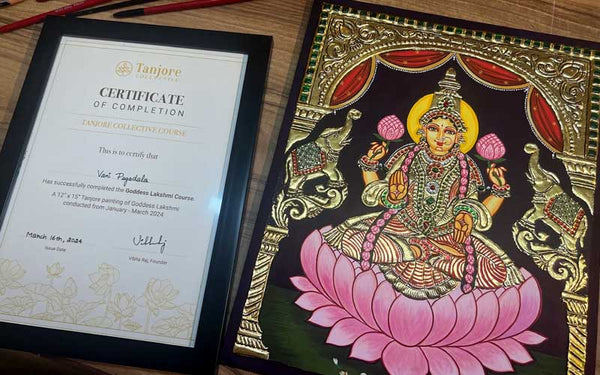
For Jyothsna, her Balaji Tanjore painting represents those 11 weeks of learning and practice.
What began with individual techniques eventually came together as one complete artwork.
And along the way, she gained something beyond the painting itself: confidence in working with a traditional art form and a deeper appreciation for the care that goes into authentic Tanjore artwork.
Her words capture that feeling perfectly:
“I had a wonderful experience learning Tanjore painting at Tanjore Collective.”
Jyothsna’s Takeaway
Looking back at her experience, Jyothsna describes the course as more than a series of painting lessons.
It was a chance to slow down, learn something new, understand a traditional art form and experience the satisfaction of watching a painting develop over time.
She ended her review with a heartfelt recommendation:
“I highly recommend them to anyone who wants to learn authentic Tanjore painting or is looking for beautifully handcrafted Tanjore artworks.”
For us, Jyothsna’s journey is a wonderful reminder of why learning Tanjore painting can be so rewarding.
The finished Balaji painting is beautiful—but behind it are 11 weeks of patience, practice, questions, corrections, encouragement and countless small details.
And perhaps that is what makes a student’s finished painting truly special.
It doesn't just represent what they created. It represents what they learned along the way.
More blog articles
What You Need to Start a Tanjore Painting Practice: Skills, Materials and Mindset
The skills, materials, mindset and set-up you need to start painting Tanjore seriously.
Tanjore Painting Colours and Brushes: What We Use and Why
Which paints and brushes go into a Tanjore painting, and the order a deity is coloured in.
Shiva Parivar Tanjore Painting Class: An Advanced Subject to Aspire To
The divine family of Shiva, and an advanced Tanjore painting worth working toward. Its meaning, its festivals, and how to reach it.
What our students say
Hear from students who've learned the art of Tanjore painting with us.