Tanjore Painting Gifts: Choosing the Right One for Every Occasion

Written by
Swathi Katta
A warm guide to choosing a Tanjore painting as a gift, with an occasion-to-deity table, sizing and personalisation tips, and made-to-order lead times (including for family abroad).
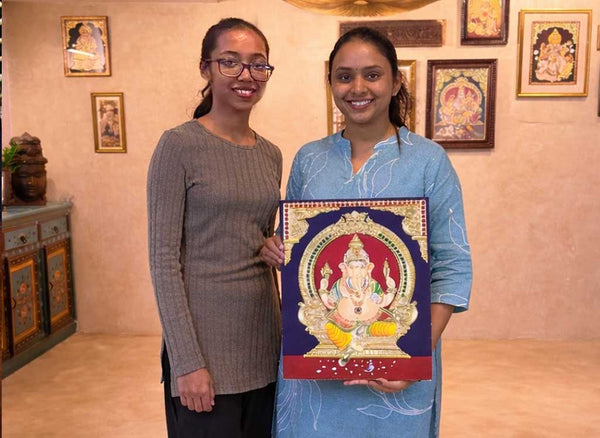
A Tanjore painting is one of the most meaningful gifts you can give. It is made by hand, deeply devotional, and built to last for generations, so it feels less like a present and more like a blessing you are passing on. If you are choosing a Tanjore painting gift for a wedding, a housewarming or another special occasion, this guide will help you pick the right deity, the right size, and the right time to order.
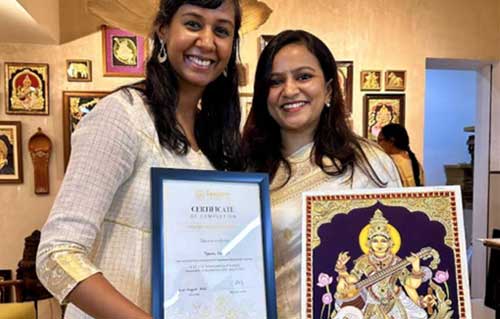
Written by Yashaswini Jaishankar, Head Teacher at Tanjore Collective, who began as a student and now leads our classes.
Why a Tanjore painting is a meaningful gift
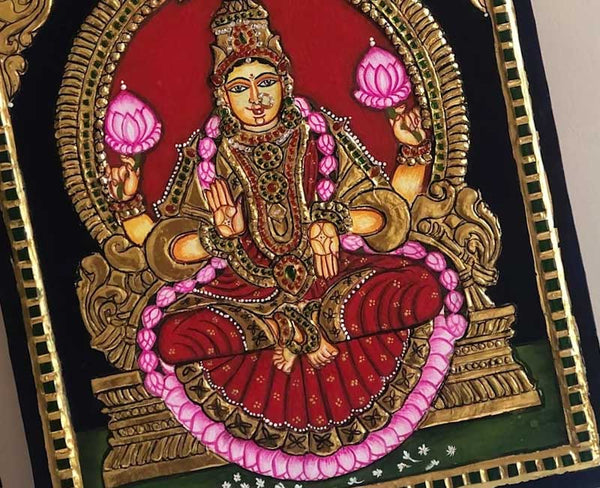
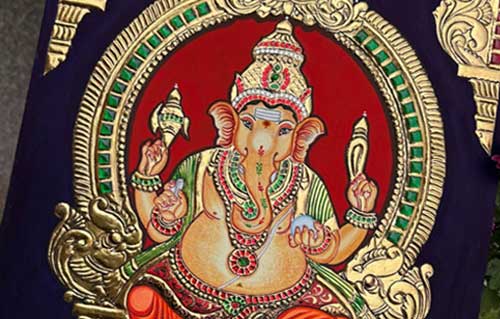
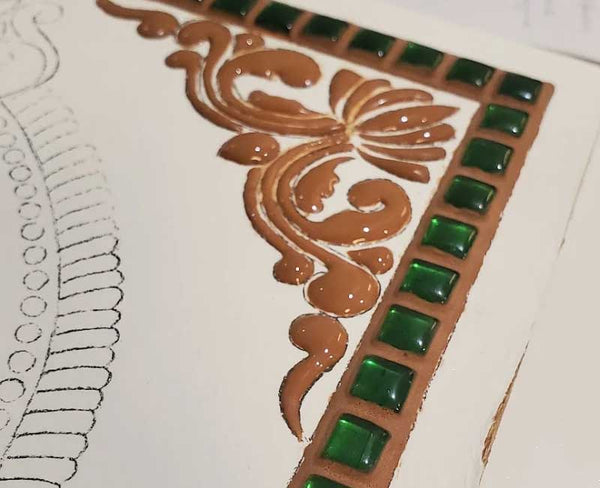
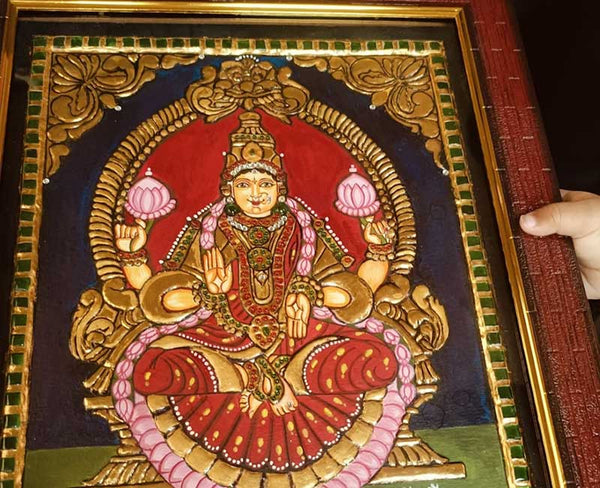
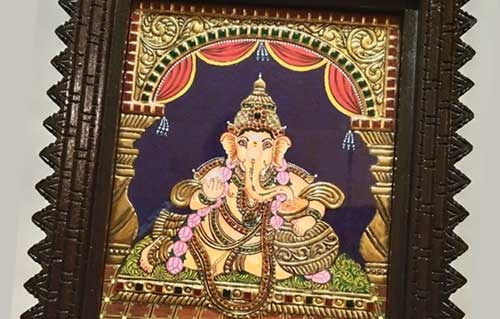
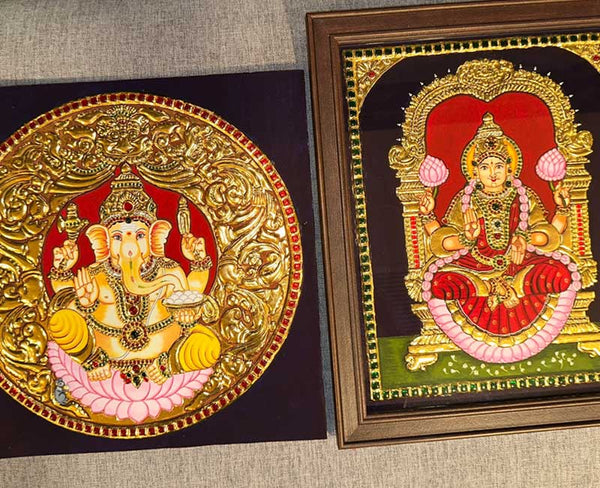
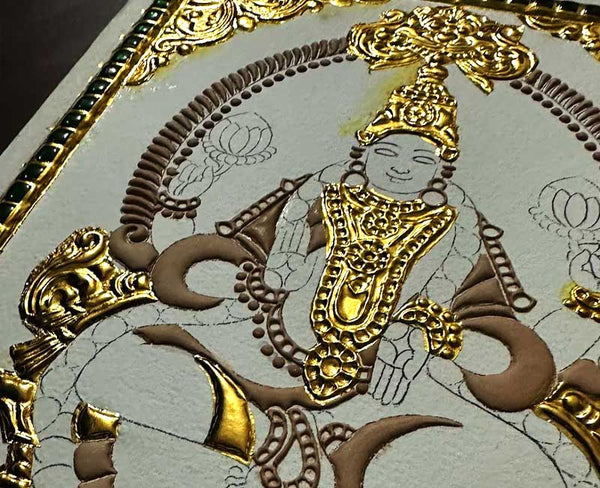
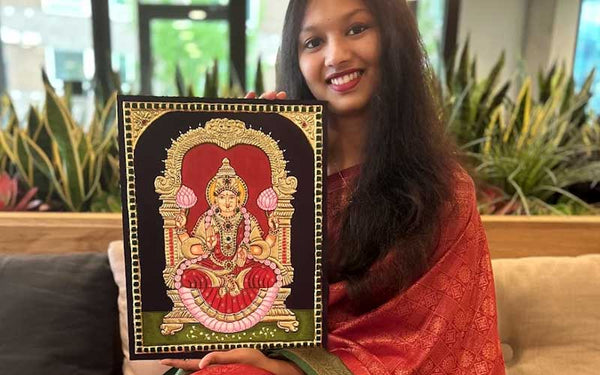
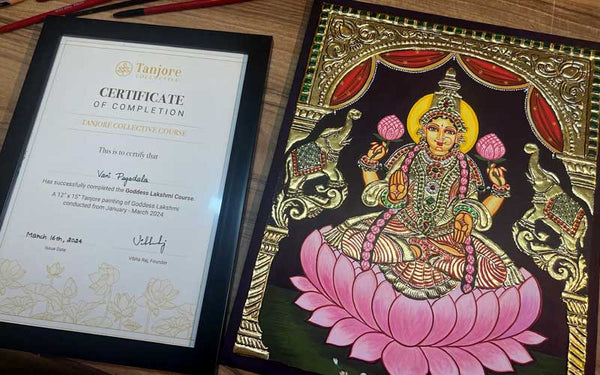
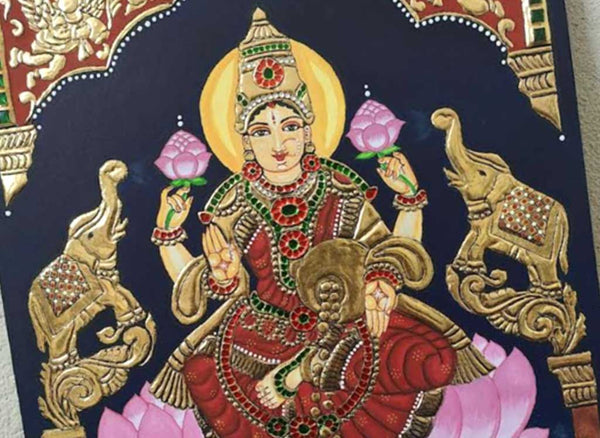
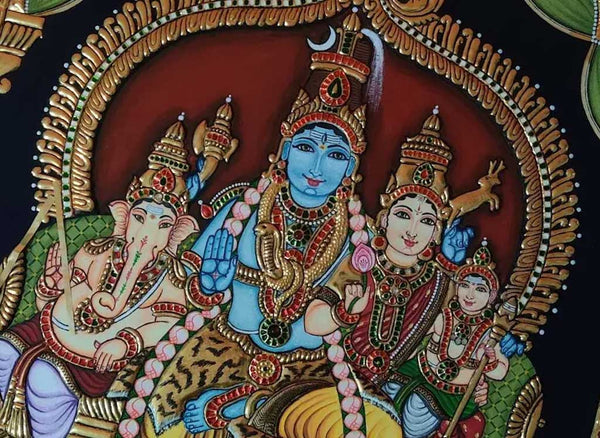
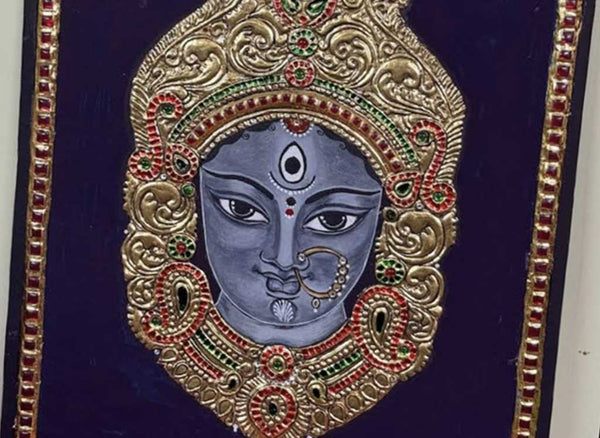
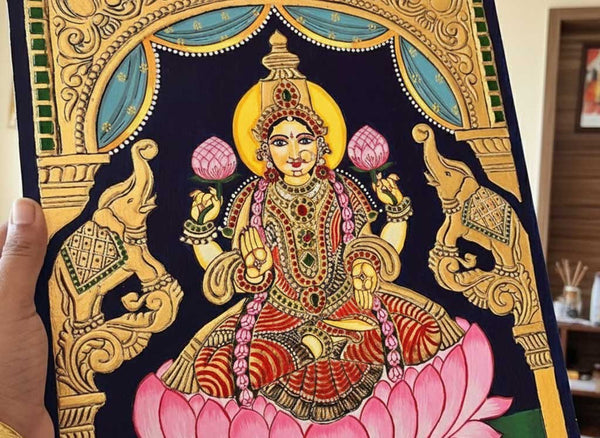
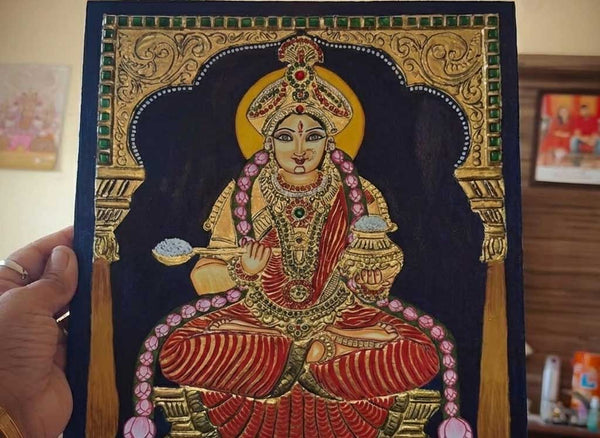
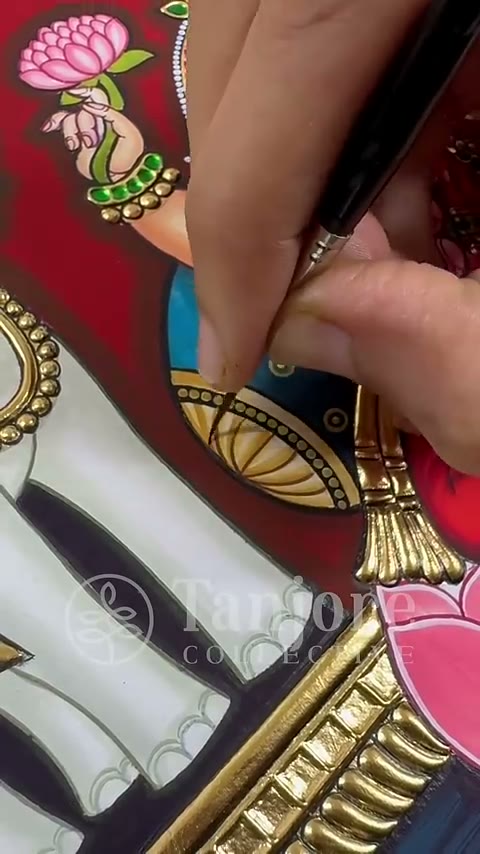
Because it is a handmade, auspicious heirloom, not a mass-produced object. A Tanjore painting is a classical South Indian devotional art form, built up over many stages with real 24 karat gold foil laid over raised gesso relief, kundan stones and Swarovski crystals set into the surface, and a serene deity resting inside an ornate arch (the prabhavali). It is luminous, jewel-like, and meant for the home shrine as much as the wall.
That is what makes it such a special gift. The person you give it to does not simply hang it and forget it. They live with it, offer prayers before it, and often pass it down. If you want to understand the craft and materials that go into it, our guide to what a Tanjore painting is explains each element in plain terms.
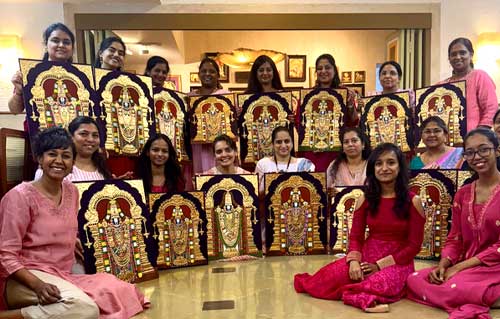
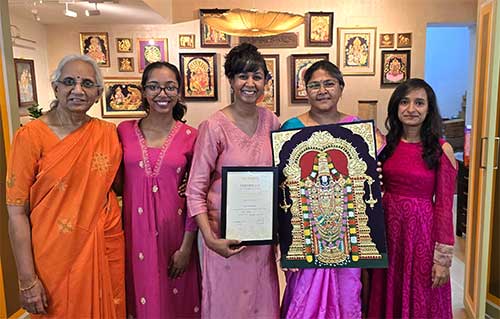
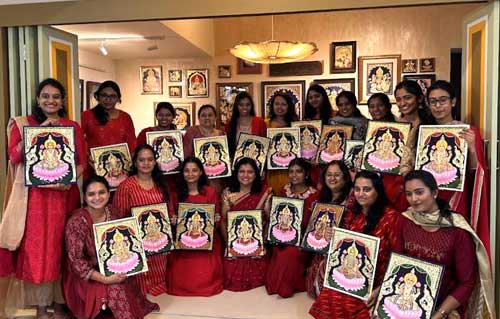
We have made bespoke paintings for patrons for over three decades, alongside teaching thousands of students, and the pieces that leave our studio as gifts tend to carry the most feeling. A wedding, a new home, a milestone, these are moments people want to mark with something lasting. A painting of a beloved deity does exactly that.
Which deity or subject suits which occasion
Choose the deity by the blessing you want the gift to carry. Most gifting decisions come down to the occasion, so here is a simple guide, using the meanings we hold for each deity in our studio.
| Occasion | Deity or subject | Why it fits |
|---|---|---|
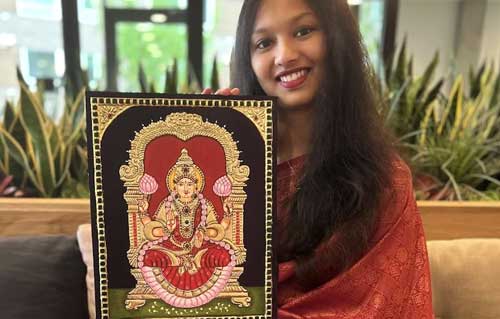
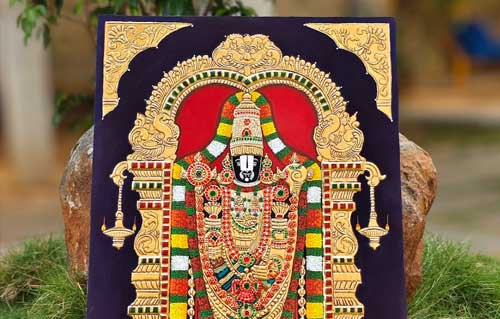
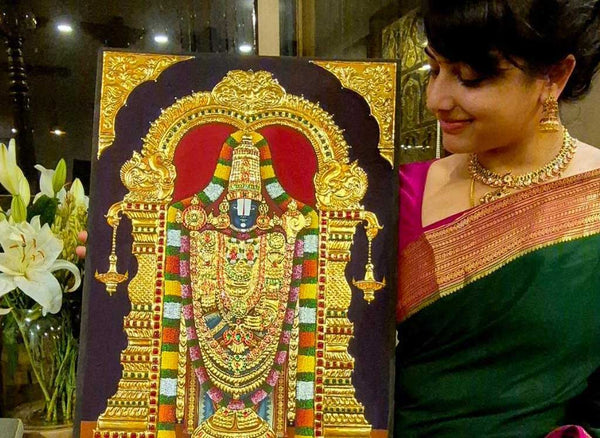
| Wedding or anniversary | Goddess Lakshmi or Gajalakshmi; Lord Balaji | Lakshmi is the goddess of wealth and abundance; Balaji (Venkateshwara) is an elaborate, much-loved blessing for a shared life. |
| Housewarming (griha pravesh) | Goddess Lakshmi or Gajalakshmi; Lord Ganesha | Abundance for the new home, and Ganesha as the remover of obstacles for an auspicious start. |
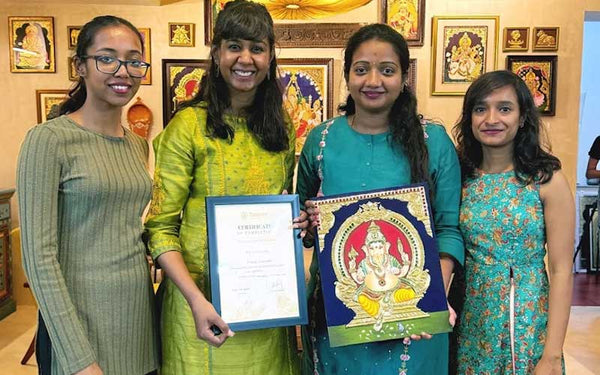
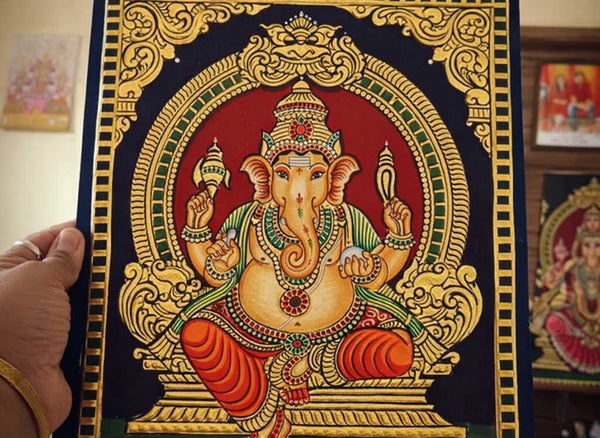
| New venture or new beginnings | Lord Ganesha | Ganesha removes obstacles and is a natural choice to bless a fresh start. He is also a popular first painting. |
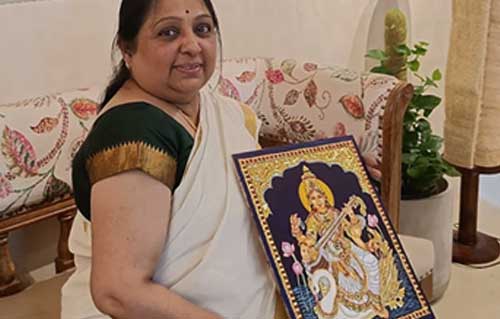
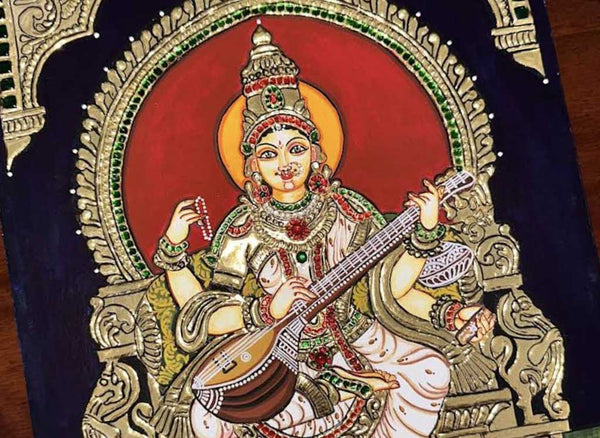
| Graduation, exams or a student of music | Goddess Saraswati | Saraswati is the goddess of knowledge, music and the arts. |
| A milestone birthday or general blessing | Lord Krishna, or a form of the Divine Mother (Lalitha Devi, Padmavathi) | Krishna is a beloved, playful subject; the Divine Mother forms carry warmth and grace. |
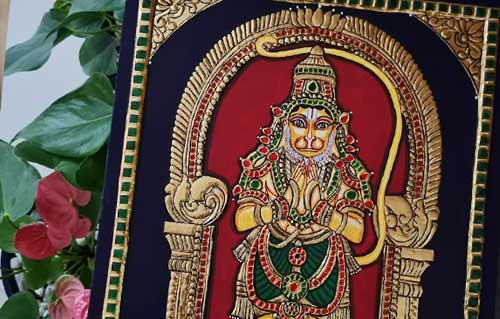
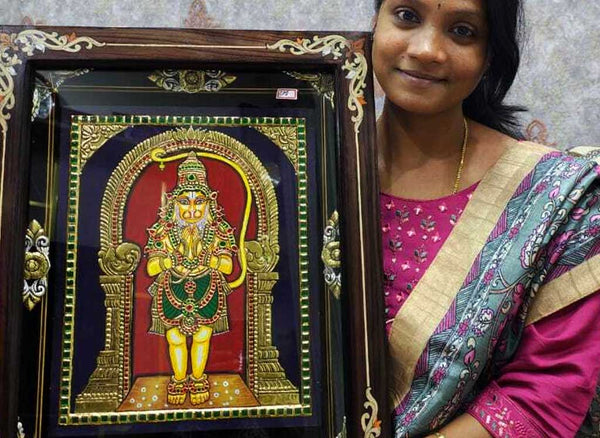
| For someone facing a challenge | Lord Hanuman | Hanuman stands for devotion and strength. |
There is no wrong answer here. If the recipient has a family deity (kuladevata) or a favourite form they pray to, that always comes first. When in doubt, Lakshmi and Ganesha suit almost every happy occasion.
Size, personalisation and framing
Match the size to the wall or shrine it is going to live in, then decide how personal you want it to be. A small painting suits a pooja shelf or a study; a larger, more detailed piece becomes the centrepiece of a living room or an entrance. If you are not sure how sizes and prices relate, our complete buyer's guide walks through the common sizes, and the factors that drive the price (size, the amount of gold and stone work, and the intricacy of the subject).
Because every painting we make is created by hand, you can personalise it. You can choose the deity and pose, the colour palette, the size, and how ornate the gold and stone work should be. Some patrons ask us to match an existing painting in the family, or to create a specific form for a particular blessing. If you would like something made just for the recipient, you can commission a personalised piece with us.
Framing matters more than people expect. A well-chosen frame protects the gold foil and gesso relief for years and lifts the whole piece, so it is worth discussing the framing when you enquire rather than leaving it to the end.
How far ahead to order (and for family abroad)
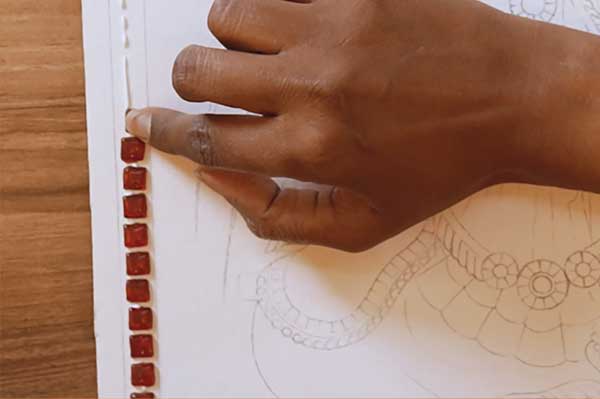
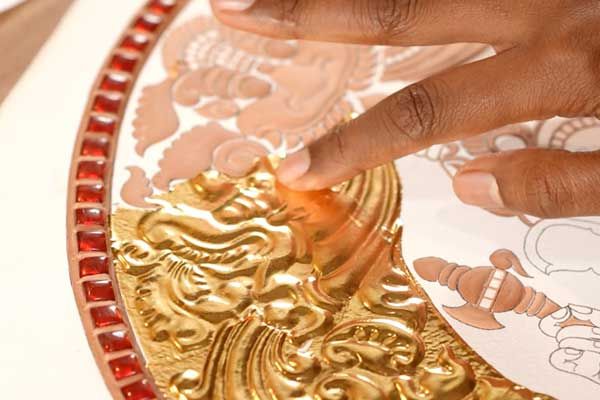
Order early, because a Tanjore painting is made to order and not a stock item you can add to a cart. Each piece is built over several stages by hand: preparing the board, the gesso relief for arches and jewellery, setting the kundan stones, laying the 24 karat gold foil, painting the deity and the face, and finishing with Swarovski crystals and framing. That care is exactly what makes it an heirloom, and it is also why it takes weeks rather than days.
As a rough guide for planning a gift:
- A standard detailed painting: plan for roughly six to eight weeks, plus time for framing.
- A large or elaborate subject (for example an intricate Balaji): plan for around two to three months.
- Add a buffer of a couple of extra weeks for framing and safe delivery.
- Gifting to family abroad (NRIs): allow extra time for transit, and reach out early so we can plan delivery to your country.
If a special date is close, still talk to us. The sooner we know the occasion, the deity and the size, the better we can plan the work and the delivery around your timeline.
Choosing your gift with us
When you are ready, the easiest way to begin is to look at finished pieces and tell us about the occasion. You can browse gift-ready paintings in our gallery and send us an enquiry over WhatsApp or our contact page. Share the occasion, the deity you have in mind, the size and your date, and we will guide you on options, personalisation and delivery. Our paintings are made to order and priced on enquiry, so there is no rush and no hard sell, just a piece created with care for someone you love.
Frequently asked questions
Is a Tanjore painting a good gift?
Yes. A Tanjore painting is auspicious, handmade with real 24 karat gold foil and stone work, and made to last for generations. It carries the blessing of a deity, which makes it a heartfelt gift for weddings, housewarmings and milestones, and one that is often passed down in the family.
Which Tanjore painting is best for a housewarming?
Goddess Lakshmi or Gajalakshmi is the most popular housewarming choice, since Lakshmi is the goddess of wealth and abundance for the new home. Lord Ganesha, the remover of obstacles, is another lovely option for an auspicious start.
How early should I order a Tanjore painting gift?
Because each painting is made to order by hand, plan roughly six to eight weeks ahead for a standard detailed piece, and around two to three months for a large or elaborate subject. Add a little extra time for framing and delivery, and more again if you are sending it abroad.
Can you ship a Tanjore painting gift abroad for NRIs?
Please enquire with the occasion and the destination, and we will plan the piece and its delivery around your timeline. Allow extra time for international transit, and reach out early so nothing is rushed.
Can I personalise a Tanjore painting gift?
Yes. You can choose the deity and pose, the size, the colour palette and how ornate the gold and stone work should be. If you want something created specifically for the recipient, you can commission a bespoke piece with us.
More blog articles
Goddess Lalitha Devi Tanjore Painting Class: Meaning and How to Learn It
Who Goddess Lalitha Devi is, when she is worshipped, and how to paint her yourself, even as a complete beginner.
Lord Balaji (Venkateshwara) Tanjore Painting Class: Meaning and How to Learn It
The meaning of Lord Balaji, his festivals, and how to paint Venkateshwara in the Tanjore style over our detailed 2.5-month course.
Online vs DIY Tanjore Course: The Honest Comparison (With a Table)
Online or DIY Tanjore course? An honest, side-by-side comparison so you can choose structure or flexibility.
What our students say
Hear from students who've learned the art of Tanjore painting with us.