Why 95%+ of Our Tanjore Painting Students Finish Their Painting
Written by
Vibha Raj
More than 95% of our students finish their Tanjore painting. Here is exactly why, from time-bound batches and 3 to 4 teachers to WhatsApp support and same-day recordings.
Key takeaways
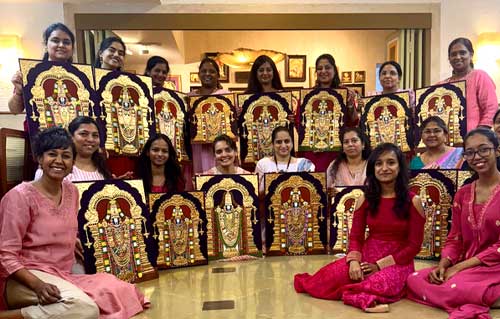
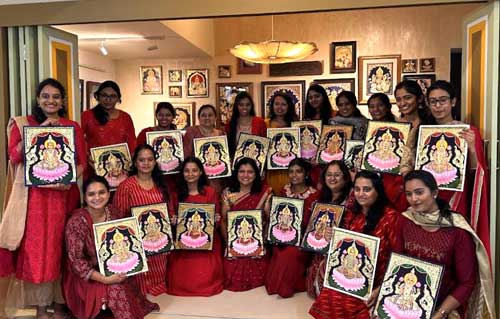
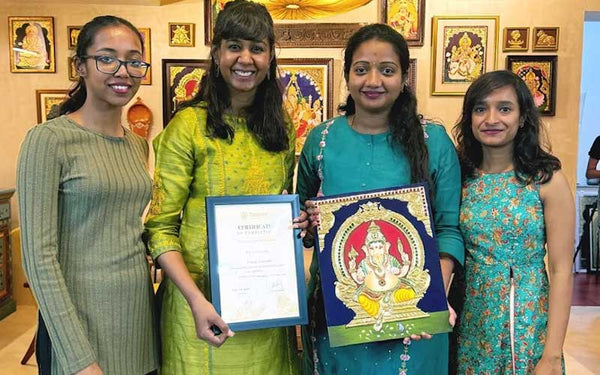
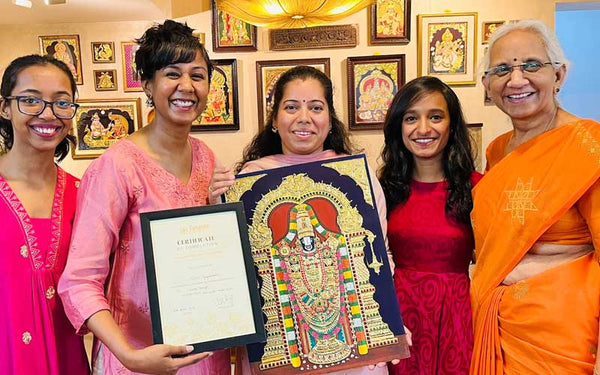
- More than 95% of our students finish their painting, across 40 years and over 5,000 students. Whole batches finish together, and we have the group photos to show it.
- Most creative courses go unfinished because they are self-paced with nothing holding you accountable. Our live courses are time-bound, with a clear start and end over 6.5 weeks.
- Every course has 3 to 4 teachers who split the work by section, plus a WhatsApp group and phone calls, so no one quietly slips away.
- If you miss a live class, the recording goes up the same day, and you can watch it for 30 to 60 days after the course on our app.
- Even on self-paced DIY, over 1,000 students have finished, helped by a teacher on WhatsApp and access we extend freely when life gets in the way.
When someone writes to us before signing up, the question underneath their question is rarely "can I paint something this detailed?" It is quieter and more honest than that. It is "will I actually finish?" If you have ever bought a course, or a lovely kit, with real excitement, and then watched it sit untouched as the weeks slipped by, you already know why that worry is real. You are not alone in it, and it is the single thing we have worked hardest to solve.
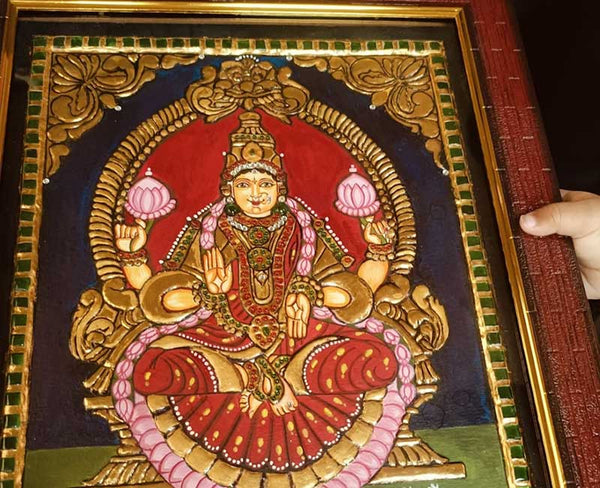
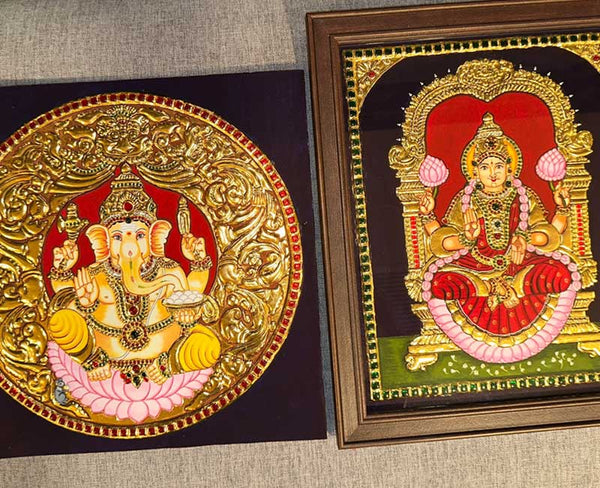
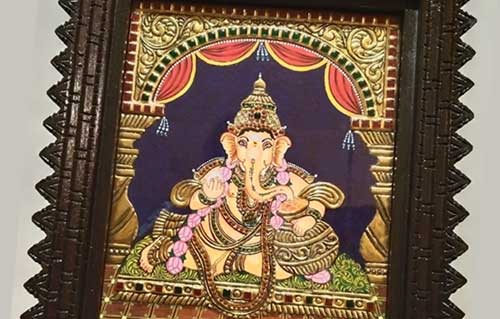
Here is the short answer. More than 95% of our students finish their painting. Not start it, finish it, all the way to the gold and the final detailing, ready to place in their puja room. For an art form this intricate, that number is rare, and it is not luck. It is the way we have learned to teach over 40 years and more than 5,000 students.
Almost every student finishes, and we can show you
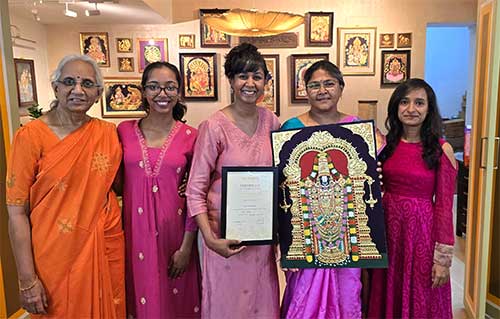
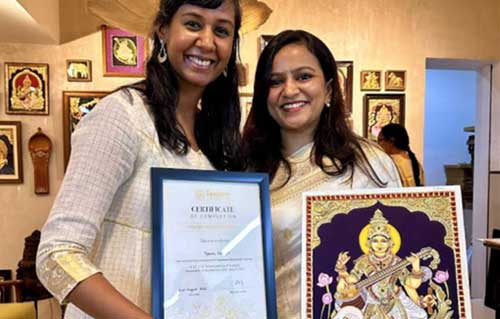
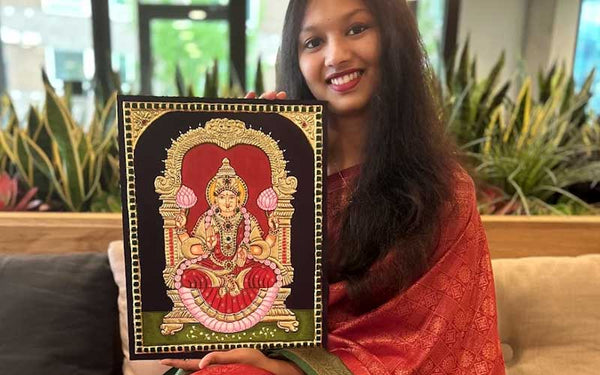
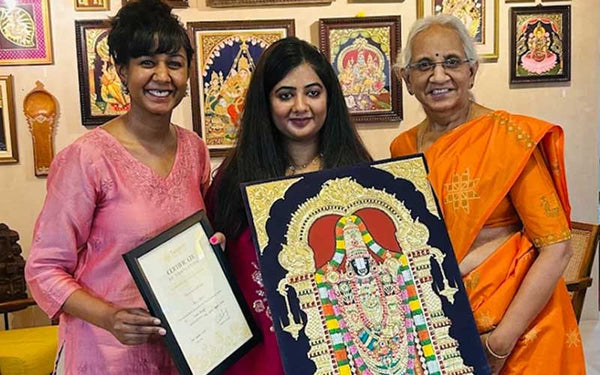
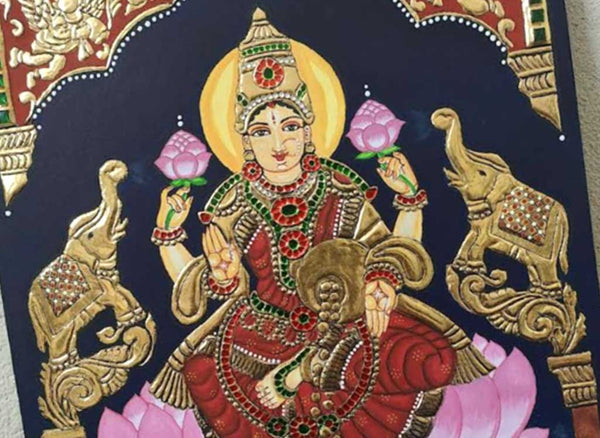
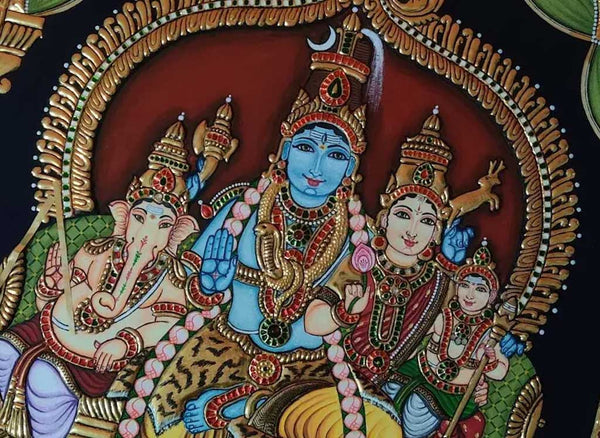
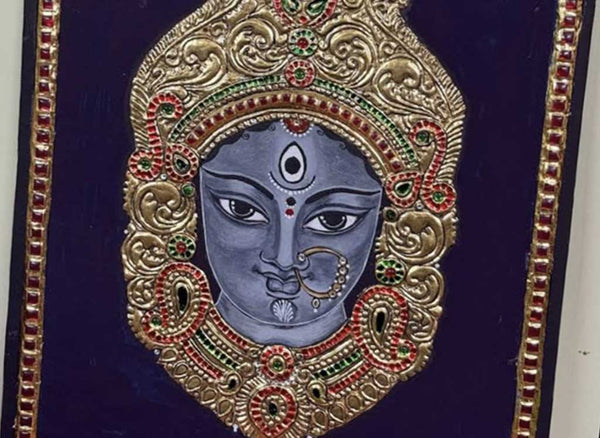
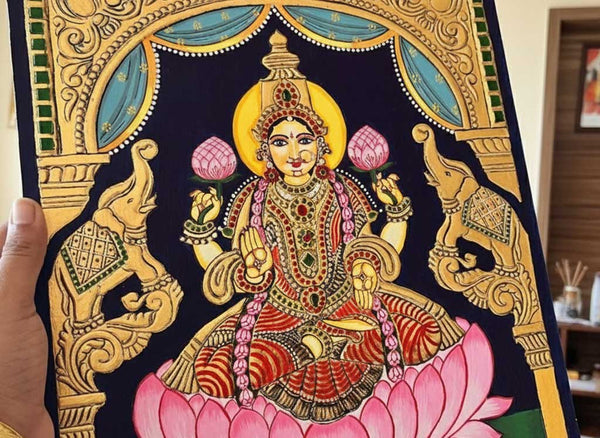
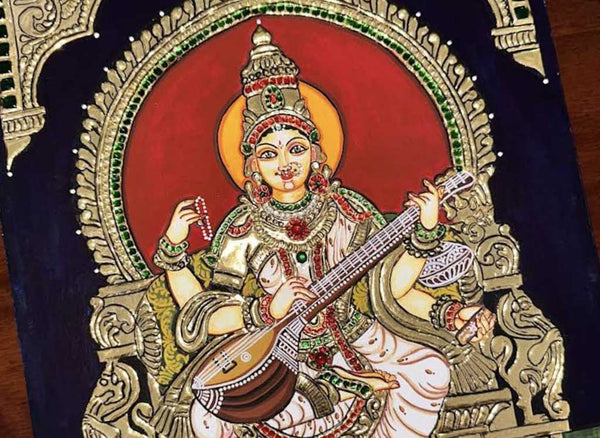
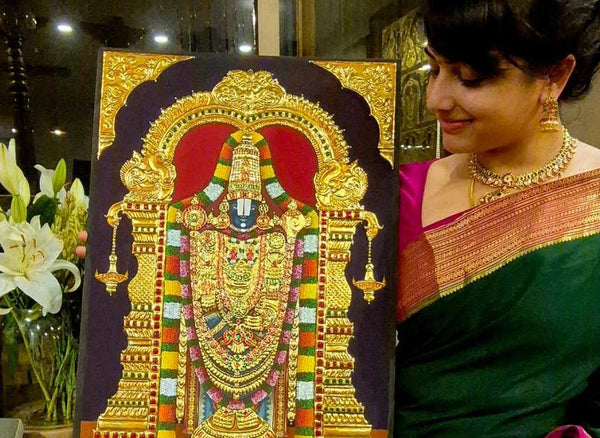
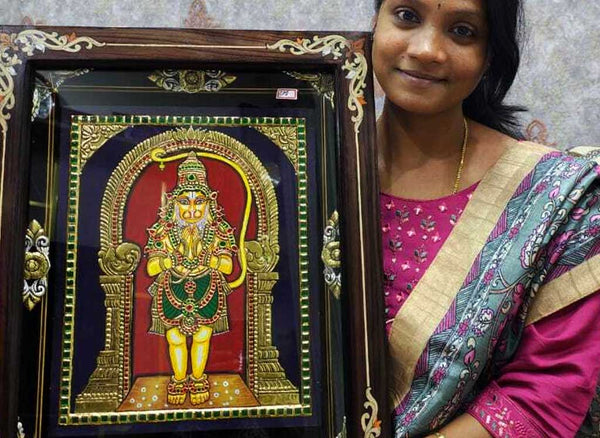
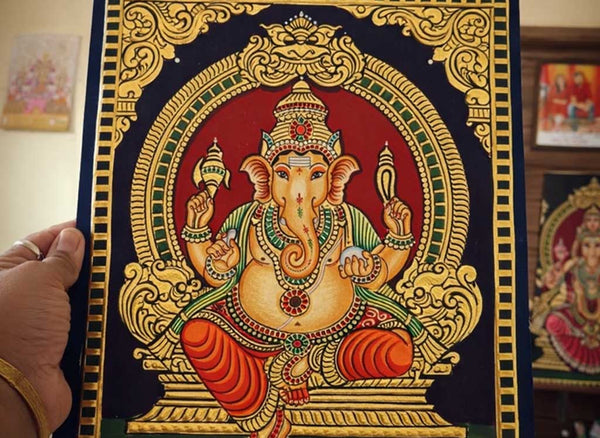
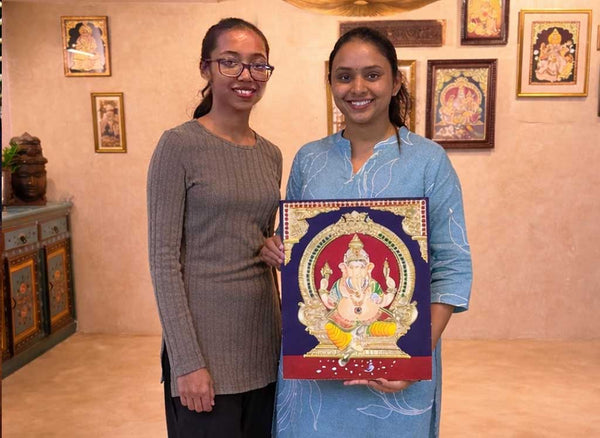
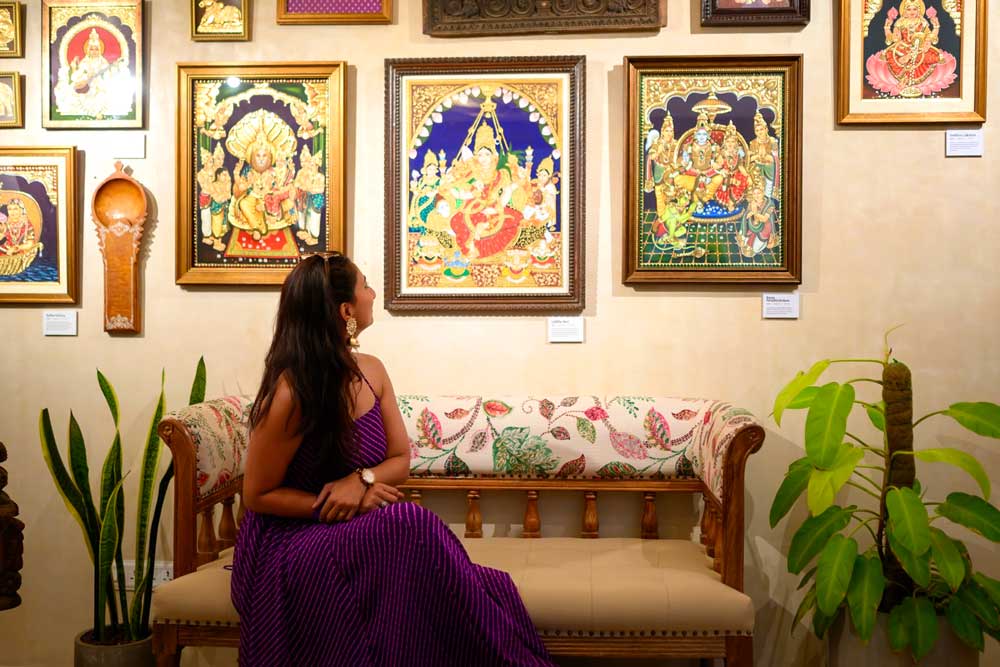
Our completion rate is over 95%. When a batch wraps up, almost every person in it is holding a finished painting, and we have the group photos from batch after batch to prove it. That is the real measure of a class, not how beautiful the sample looks, but how many ordinary, busy, nervous beginners actually cross the finish line.
That track record is a big part of why Tanjore Collective holds a 5.0 rating from more than 450 reviews on Google, and why our teaching has been featured in Deccan Herald, Hindustan Times, Deccan Chronicle and Incredible India.
Why most creative courses never get finished
Most online courses go unfinished for one simple reason: they are fully self-paced, with nothing and no one holding you to it. A folder of videos waits patiently while life gets busy. "I will get to it next weekend" slowly becomes next month, and then never. This is not a failing in you. It is what happens to almost anyone when a course has no rhythm, no deadline, and no teacher noticing whether you showed up. Good intentions are simply no match for a full life.
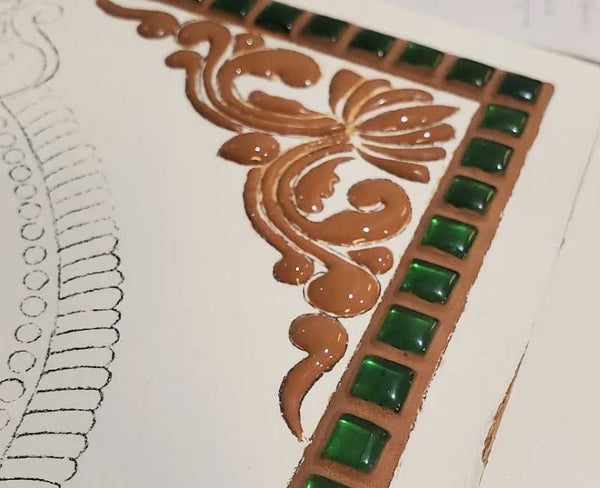
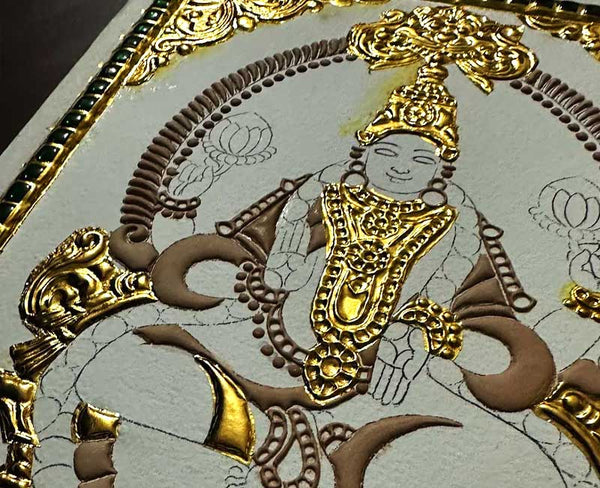
It is worse for a detailed art like this one, where a few tricky steps can quietly become the reason a painting is set aside. The gesso relief needs patience. The gold foil feels precious and a little frightening the first time. If you hit one of those steps alone, with no one to show you the small trick that makes it easy, it is tempting to put the brush down "just for now." For a lot of people, "just for now" is where the painting stays.
So the question we asked ourselves years ago was not "how do we make better videos?" It was "how do we help a real person, with a job and a family, actually finish?" Everything below is our answer.
What we do differently
We finish with our students because the whole class is built around momentum, not just content. A few things work together to make that happen.
Time-bound batches with a real start and end. Our live courses run as a batch over about 6.5 weeks, two evenings a week. There is a date you begin and a date you finish, together with everyone else. That gentle deadline is powerful. It turns "someday" into "this Tuesday," and it carries you through the middle stretch where solo learners usually drift away.
Three to four teachers, each on the part they know best. Every course is taught by a team, not one person stretched thin. One teacher guides you through the embossing and the gold foil work, and Vibha Raj, who leads our teaching, takes the faces and the fine, intricate detailing. When each step is taught by the person who knows it deeply, you are far less likely to get stuck and give up.
A WhatsApp group and a phone that actually gets answered. Each batch has its own WhatsApp group where you post photos of your painting and get real feedback on your actual work. Many students simply call when they are stuck. Because we are watching and responding, no one quietly falls off. If you go quiet, we notice, and we check in.
Recordings the same day, so a missed class is never the end. Life happens, and sometimes you cannot make a session. Every live class is recorded and goes up the same day on our student app, and you can revisit it for 30 to 60 days after the course. Falling a little behind is easy to recover from, so one hard week does not become the reason you abandon the whole thing.
The quiet energy of a batch. When you see someone next to you, who started exactly where you did, slowly bringing a deity to life, something in you settles and says, "they can do it, so can I." That peer momentum is gentle, never a competition, and it carries people through. You can read more about why we teach in batches, not one to one.
It helps that every course is led by three to four teachers, each owning the part they know best. Vibha Raj, our founder and an award-winning artist who learned from the master Vani Bhaskar, takes the faces and the fine detailing. Spurthy, trained at the Karnataka Chitrakala Parishath, leads the gold foil, and Yashaswini, once a student here herself, guides the embossing. When a step is the one where people usually stall, the teacher who knows it best is the one walking you through it.
The middle is where most people quit, and where we hold on
Almost no one gives up at the start. The excitement of a fresh canvas carries everyone through the first week. The place people stall is the middle, when the gesso relief feels slow, or the gold foil looks daunting, or a busy fortnight piles up and the painting sits waiting a few days too long. On your own, that dip is where a course quietly ends. In a batch, it is where your teachers lean in, where a quick photo on WhatsApp turns a stuck moment into the next small step, and where watching the rest of your batch keep going pulls you along with them. We plan for that middle stretch, because carrying you through it is most of the job. By the time you reach the gold and the final detailing, the hardest part is already behind you, and finishing feels inevitable rather than far away.
Even on self-paced DIY, over 1,000 have finished
You might expect our self-paced DIY course to tell a different story, since it has none of the fixed deadlines of a live batch. Yet more than 1,000 DIY students have finished their painting, and the reason is the same: they are not really alone. Every DIY student gets a WhatsApp group with a teacher, where they send photos as they go and get real feedback. We follow up to ask how they are doing and whether they are stuck anywhere. And because the whole point of DIY is to learn in your own time, we extend access freely when life gets in the way, even months later, so the 90 days is a gentle nudge, never a wall. For more on how it works, see inside our DIY video course and online versus DIY compared.
"This was my first experience with Tanjore art, and completing the painting over two months gave me a deep sense of accomplishment."
Finishing is the whole point
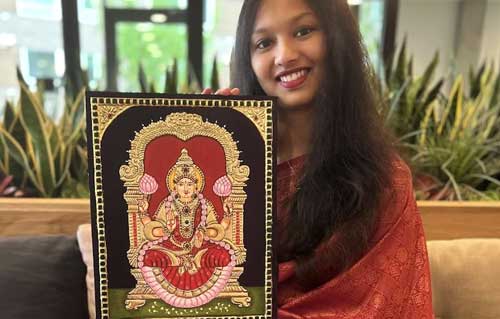
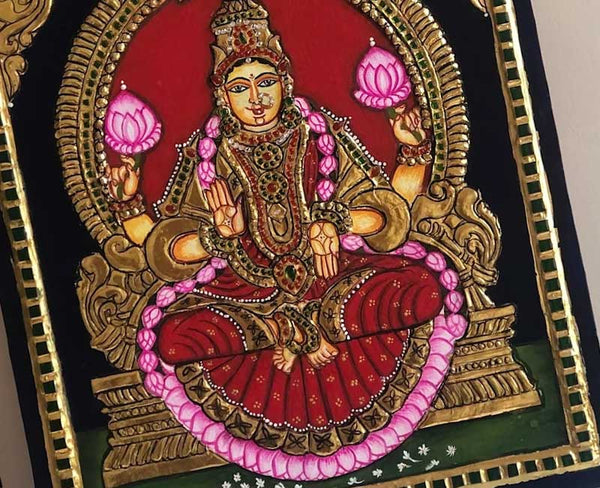
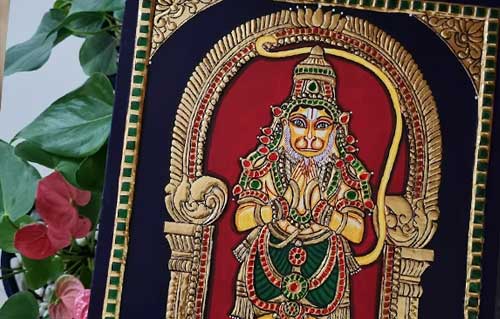
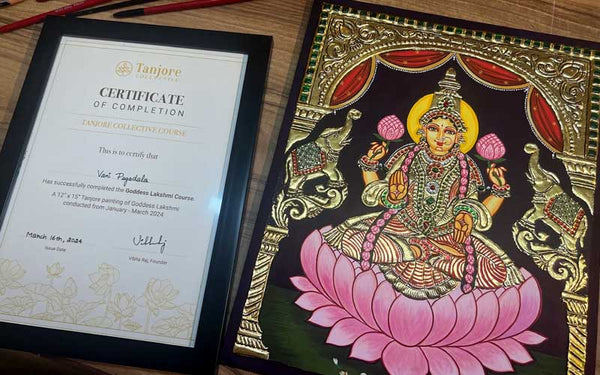
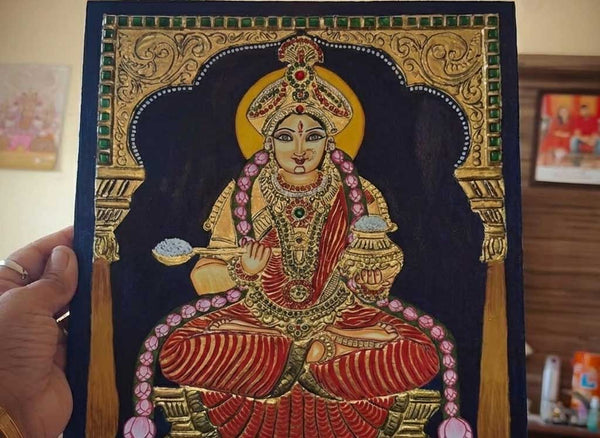
A sample painting on a screen is a promise. A finished painting in your own hands is the thing itself. Whichever way you learn with us, you end with a completed Tanjore painting for your puja room, and a certificate, both digital and physical, naming your course and signed by Vibha Raj.

What students tell us afterwards is rarely about technique. It is about how it felt to sit with something difficult, week after week, and see it through. For many, the painting that now hangs in their home is the first thing in a long while they started and actually finished, and that quiet pride is the real reason the completion rate matters to us. If you are nervous about whether you can really do this, start with how complete beginners learn with us, and when you are ready, choose the format that fits your life.
Frequently asked questions
Do people actually finish online art classes?
With us, yes. More than 95% of our students finish their painting, because our live courses are time-bound and well supported, not just a folder of videos you watch alone.
What if I fall behind during the course?
Your teachers help you catch up on the WhatsApp group and by phone, and every session is recorded and goes up the same day, so a missed class is easy to recover from.
Is a self-paced DIY course harder to finish?
It can be, but ours is supported with a teacher on WhatsApp and access we extend freely, which is why over 1,000 DIY students have finished their painting.
How do you keep students going?
A clear start and end date, 3 to 4 teachers, a WhatsApp group with real feedback, same-day recordings, and the quiet encouragement of a batch all work together so no one quietly gives up.
What happens if I miss a live session?
Nothing is lost. The recording is on your student app the same day, and you can watch it for 30 to 60 days after the course ends.
Can I really finish as a complete beginner?
Yes. Most of our students started as complete beginners, some having never held a brush, and they finished. We teach each step slowly and stay with you until you do.
How long does it take to finish a painting?
In a live batch, you finish within the course, about 6.5 weeks for a simpler painting and up to 11 weeks for an advanced one. On DIY, you finish at your own pace within your access.
What makes your completion rate so high?
Time-bound batches, 3 to 4 teachers, a WhatsApp group with real feedback, same-day recordings and the encouragement of learning together, all working at once so no step becomes the reason you stop.
If the fear of not finishing is what is holding you back, let that go. Beginning is the hard part, and from there, we will be right beside you until your painting is done.
More blog articles
Online vs DIY Tanjore Course: The Honest Comparison (With a Table)
Online or DIY Tanjore course? An honest, side-by-side comparison so you can choose structure or flexibility.
Inside Our DIY Tanjore Video Course: Lessons, Access and Real Feedback
A self-paced Tanjore painting video course with a bundled kit and real teacher feedback on WhatsApp. Here is exactly what you get.

Who Should Do a DIY Tanjore Course (and Who Should Not)?
Who should do a DIY Tanjore course, and who is better off in a live batch? An honest guide.
What our students say
Hear from students who've learned the art of Tanjore painting with us.