What Is an Old Tanjore Painting Worth? A Maker's Guide to Antique Value

Written by
Swathi Katta
What makes an old Tanjore painting valuable, the craft signs you can check at home, antique vs antique finish, and how to get a proper valuation, from a studio that makes and teaches the art.
Key takeaways
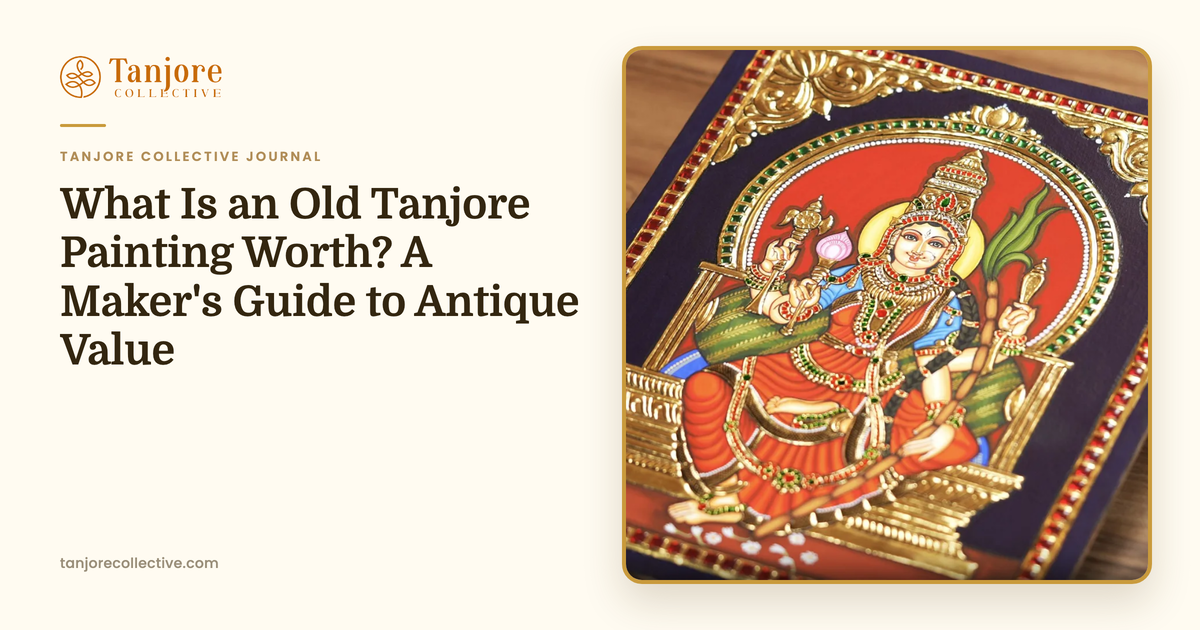
- An old Tanjore painting's worth is set by its age, the quality of its real gold and hand-built gesso relief, its condition, the subject, and any known history (provenance).
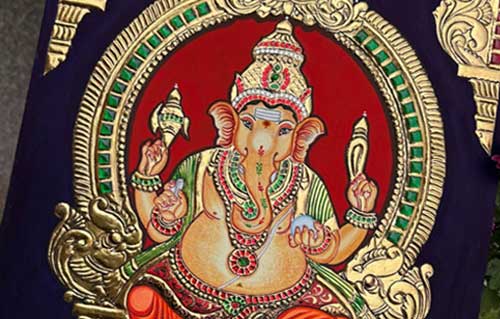
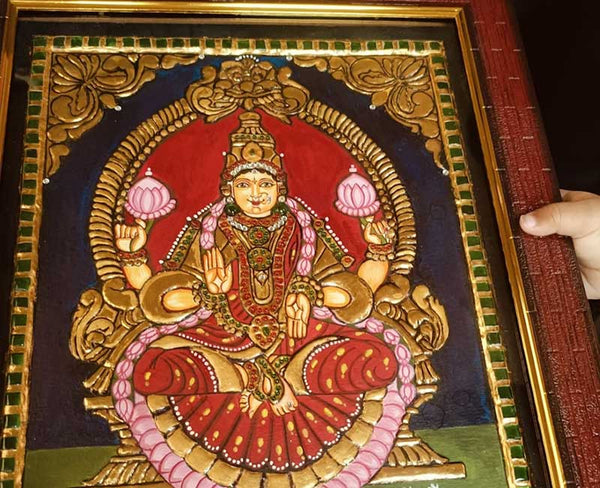
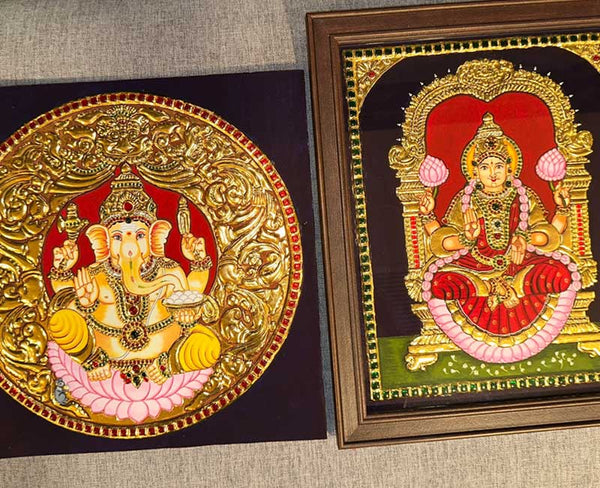
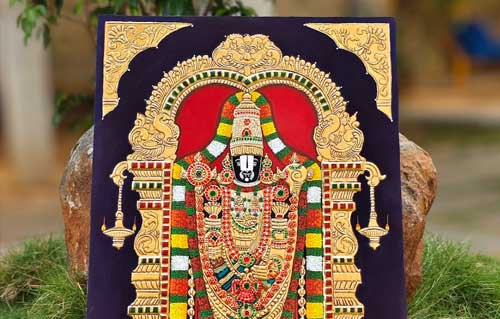
- Signs of a genuine, well-made old piece: real 24 karat gold foil laid over raised relief, hand-set stones, and a finely hand-painted face — never flat gold paint or moulded relief.
- Condition drives value: flaking or lifting gold, cracks and water damage lower it; a clean, intact painting holds it.
- Provenance adds value — who painted it, when and where it was bought, and the family history behind it.
- There is no fixed price list for antiques; each piece is valued individually. Use the owner's checklist below before you buy or appraise one.
An old Tanjore painting's value depends on its age, the quality of its gold and gesso relief, its condition, its subject and whatever is known about its history. A well made piece in good condition with a known story can be worth far more than a new one, while a worn or imitation piece may be worth little beyond its meaning to your family. Only a specialist can give you a real figure, but you can learn a lot by looking closely at the craft first.
Many families have one: a Tanjore painting that hung in a grandparent's pooja room and has quietly moved house with you ever since. At some point people start to wonder what it's worth. We're makers and teachers, not antique dealers, and we don't sell or appraise antiques. But we know how these paintings are built, and that helps you understand what you're looking at. If you'd also like to know what a new painting costs today, see our Tanjore painting cost guide.
What makes an old Tanjore painting valuable?
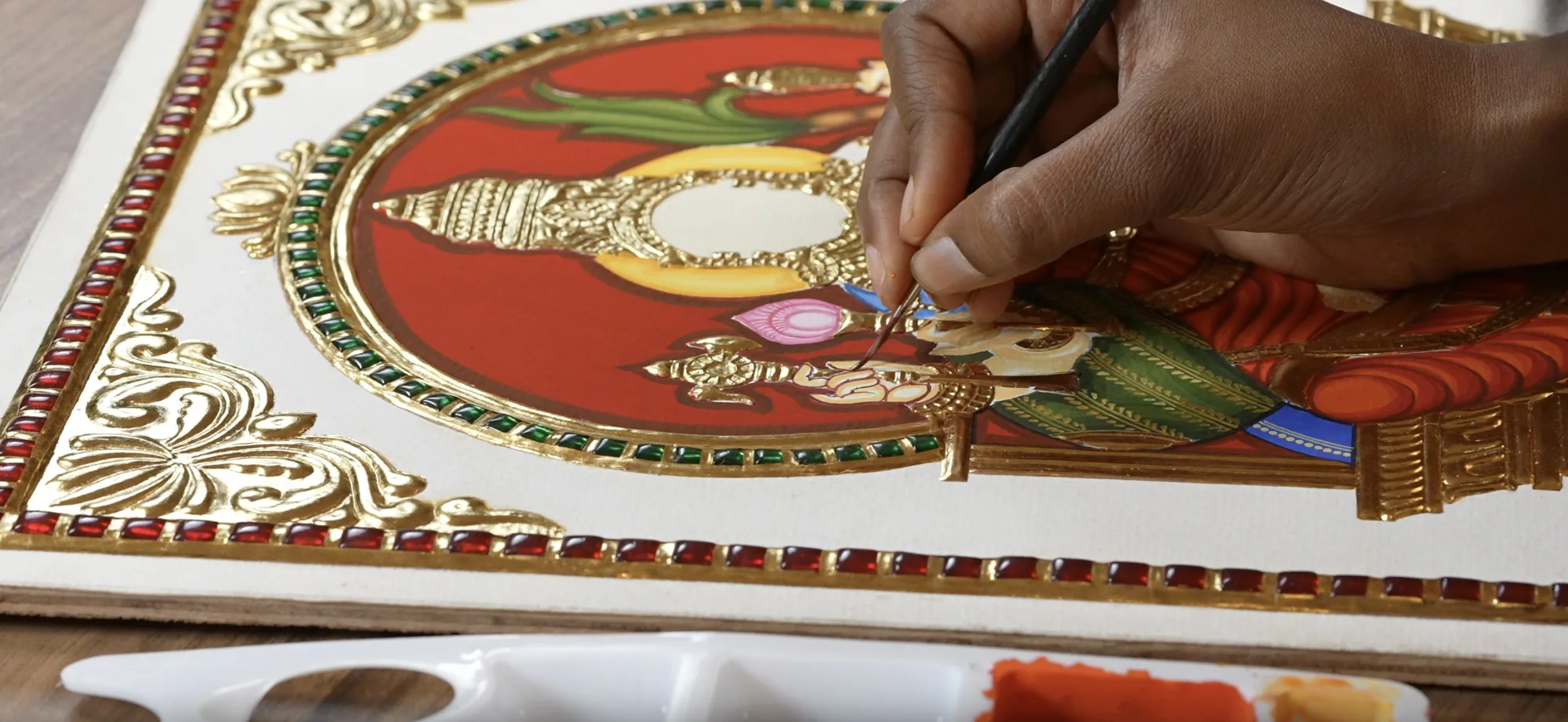
Broadly, five things:
- Age and history. Where the painting came from, and how long it's been in the family, matters. Any records, letters or old photographs help.
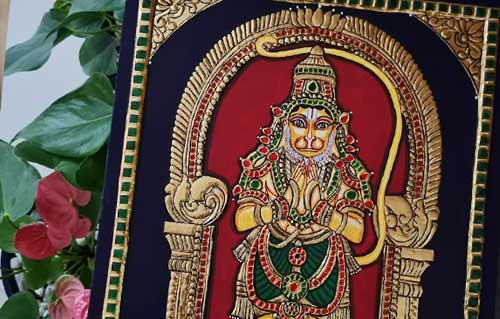
- Quality of the craft. Real gold over hand built gesso relief, set stones, and a finely painted face.
- Condition. Flaking paint, lifting gold, damaged relief or water marks all affect value.
- Subject. Some deities and compositions are more elaborate than others, and larger, more detailed pieces took more work.
- Size. Bigger boards carry more gold, more relief and more hours.
Craft signs you can check at home
You don't need to be an expert to look carefully. These are the same things we teach our students to notice about how a Tanjore painting is built.
Owner's checklist
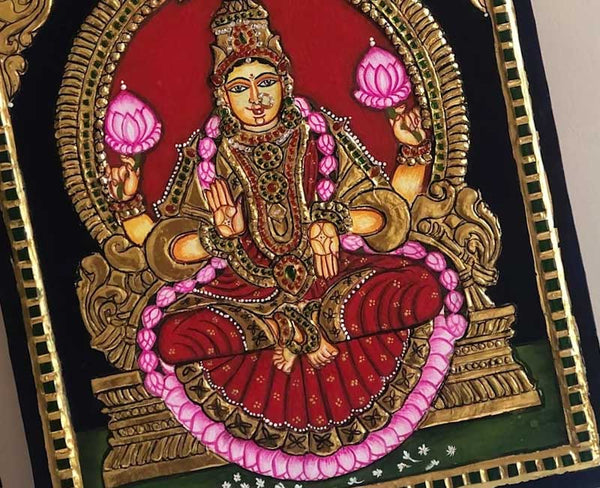
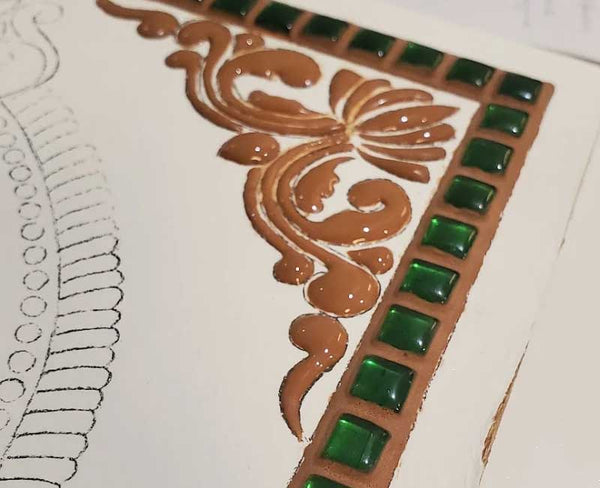
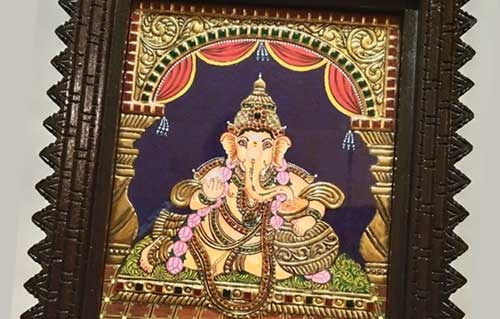
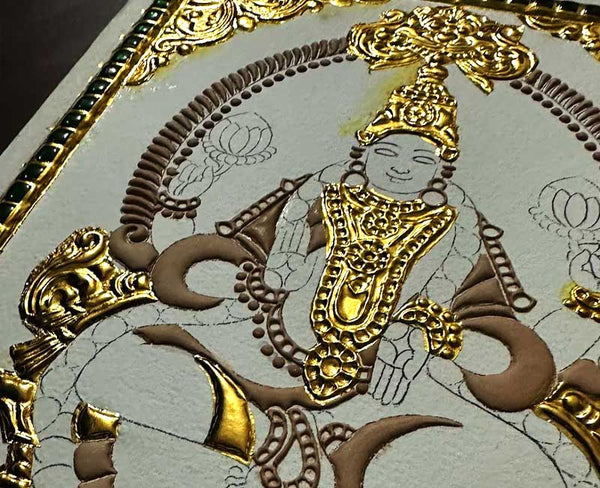
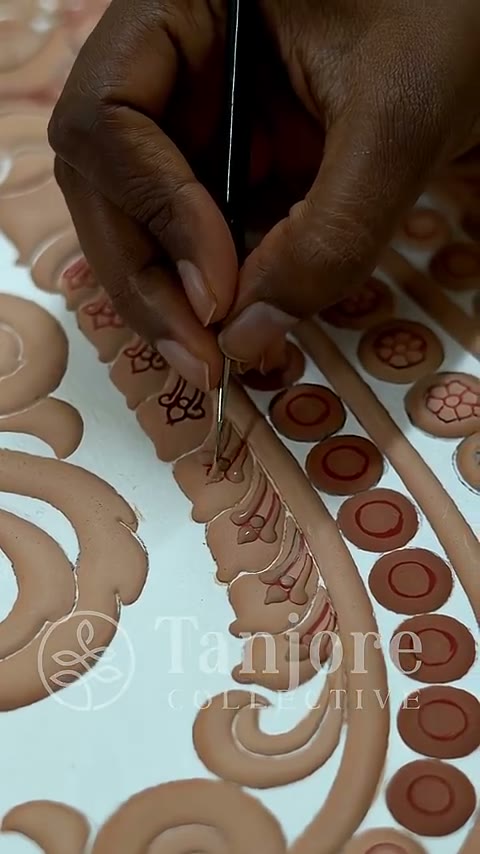
- Is the relief really raised? Run your eye along the arches, crowns and jewellery in raking light. Hand built gesso stands up from the surface.
- Is the gold laid over the relief? In an authentic piece, gold foil covers the raised areas rather than being painted flat.
- What are the stones? Look at how they're set into the relief.
- How is the face painted? The face is the most delicate stage of the whole painting. Fine, careful work here is a good sign.
- What's the condition? Note any flaking, lifting gold, cracks or water damage, and photograph them.
- What do you know about it? Write down everything the family remembers: who bought it, when and where.
None of these will date a painting for you. They'll tell you whether it was made the traditional way, and they'll make any conversation with a specialist much more useful. For more detail on the signs of genuine work, see how to spot an authentic Tanjore painting.
Watch: what real gold leaf looks like
The gold is often the first thing people notice about an old painting. This short clip shows how pure gold leaf looks on a Tanjore painting, which is a useful reference when you look at your own.
We use 24 karat gold in our own work, because purity of gold matters for the shine and longevity of a painting. If you'd like to understand gold grades, read gold foil grades explained.
"Antique" vs "antique finish"
When you're buying rather than valuing, be careful with the word antique. Some new paintings are made to look old, with muted colours or a deliberately aged surface. That can be a lovely style. But an antique finish isn't the same as an antique.
If a listing says antique, ask the seller plainly: how old is it, how do you know, and what documentation comes with it? A trustworthy seller will tell you clearly whether a piece is old or simply made in an old style.
Getting a proper valuation
If you think your painting may be old and valuable, speak to a specialist antiques dealer or a qualified appraiser who knows South Indian art. Bring clear photographs (front, back and close-ups of the gold, relief and face), your notes on its history, and its measurements. It's often worth asking more than one specialist.
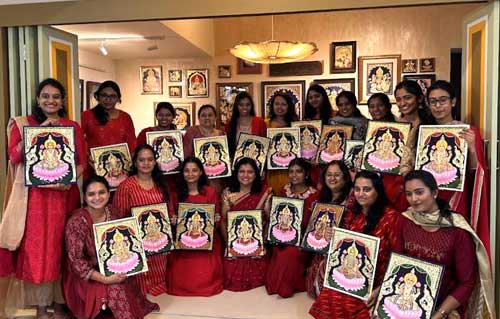
We want to be honest about our part in this. We make new Tanjore paintings, teach the craft and take commissions, and we can talk you through how a painting was made. We don't give valuations.
Caring for an heirloom piece
Whatever it's worth in rupees, an old family painting is precious. Handle it gently, keep it away from damp walls, and if the gold, relief or paint is damaged, get advice from a specialist before trying any repairs yourself. It's easy to do more harm than good with well meaning cleaning.
Frequently asked questions
How do I know if my Tanjore painting is antique?
Start by looking at how it's made: raised gesso relief, real gold over the relief, set stones and a finely painted face. Then gather everything you know about its history. To confirm its age, you'll need a specialist dealer or appraiser.
Are antique Tanjore paintings worth more than new ones?
They can be, especially if they're well made, in good condition and have a known history. A worn or imitation piece may not be. A specialist can tell you where your painting sits.
Does Tanjore Collective buy or value antique paintings?
No. We make new paintings, take commissions and teach. We're happy to explain how a traditional painting is built, but for a valuation you'll need an antiques specialist.
Curious how old paintings compare with new work, or what it costs to own one today? Our guide to what a Tanjore painting costs today covers buying, commissioning and making your own. And for the story behind the art form, read the history of Tanjore painting.
More blog articles

Lord Hanuman Tanjore Painting Class: Meaning and How to Learn It
Who Lord Hanuman is, when he is worshipped, and how to paint him yourself, even as a complete beginner.
Tanjore Painting Course Details: Everything Included in Our Courses
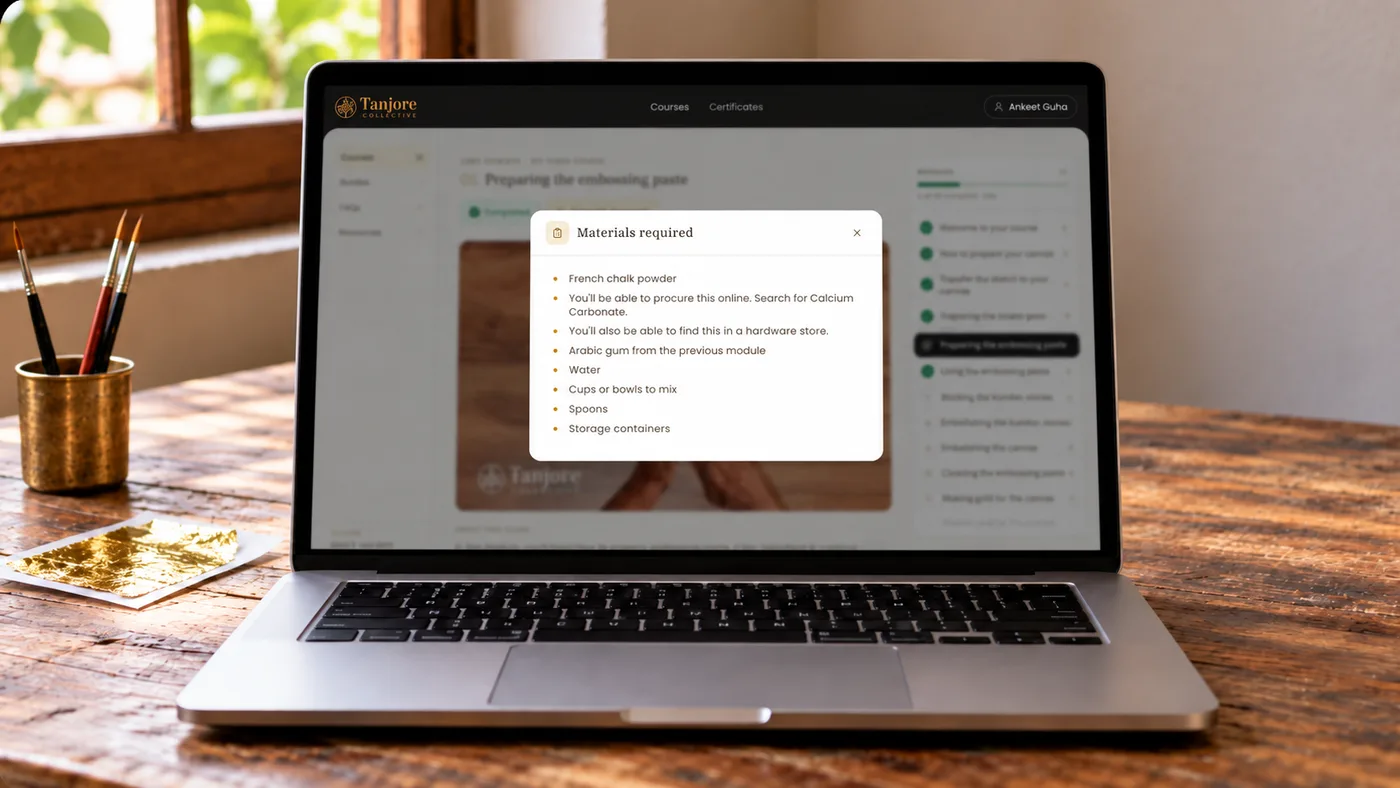
Everything you receive in a Tanjore Collective course: teaching, recordings, app access, materials, feedback and a certificate.
Tanjore Painting Course Registration: How to Register, Step by Step
How to register for a Tanjore painting course, from choosing your batch to receiving your kit and starting class.
What our students say
Hear from students who've learned the art of Tanjore painting with us.